
Key Components
- Brake Disc: The brake disc is a critical component made from high-quality, heat-resistant materials such as cast iron or advanced composite alloys. It has a large surface area and a specific design that ensures optimal heat dissipation during braking operations. The disc is directly connected to the motor shaft, allowing for the transfer of braking forces.
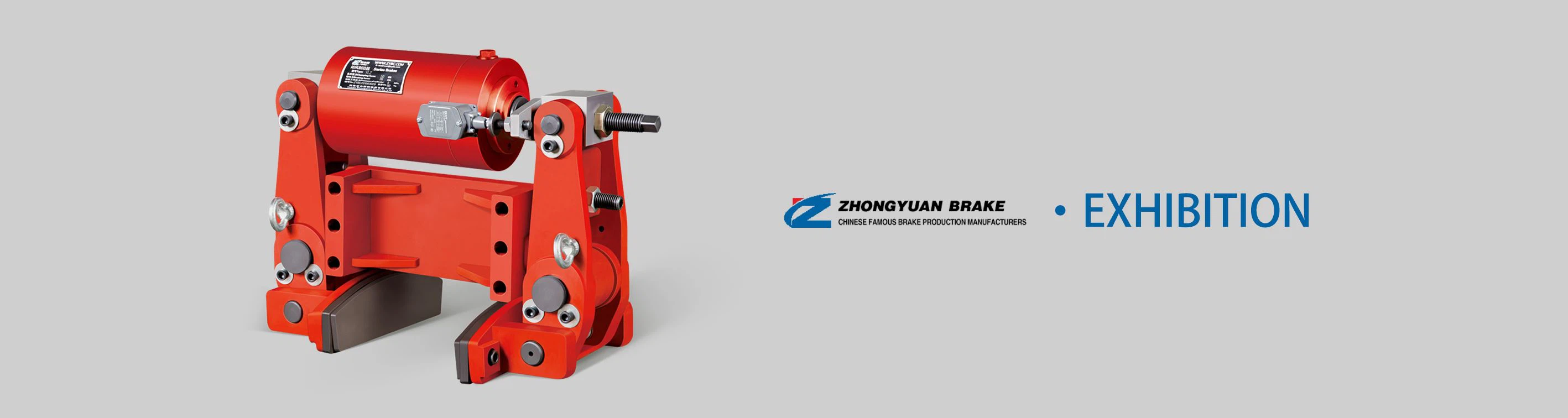
- Brake Calipers: Equipped with powerful hydraulic or pneumatic actuators, the brake calipers are responsible for applying the braking force to the disc. These calipers house multiple brake pads, which are made from friction materials with high coefficient of friction and wear resistance. When activated, the calipers squeeze the brake pads against the rotating disc, generating the necessary friction to slow down or stop the motor.
- Actuation System: Depending on the application requirements, the DJPZ-450 system can be configured with either hydraulic or pneumatic actuation. The hydraulic system uses a hydraulic pump to generate high-pressure fluid, which is then directed to the brake calipers through a network of hoses and valves. The pneumatic system, on the other hand, utilizes compressed air to actuate the calipers. Both systems offer precise control over the braking force, ensuring smooth and consistent braking performance.
- Control Unit: The control unit is the brain of the braking system. It receives input signals from various sensors, such as speed sensors and brake pedal position sensors, and processes this information to determine the appropriate braking force. The control unit then sends commands to the actuation system to adjust the braking pressure accordingly. It also includes advanced safety features, such as anti-lock braking system (ABS) functionality, to prevent wheel lock-up during emergency braking situations.


