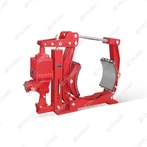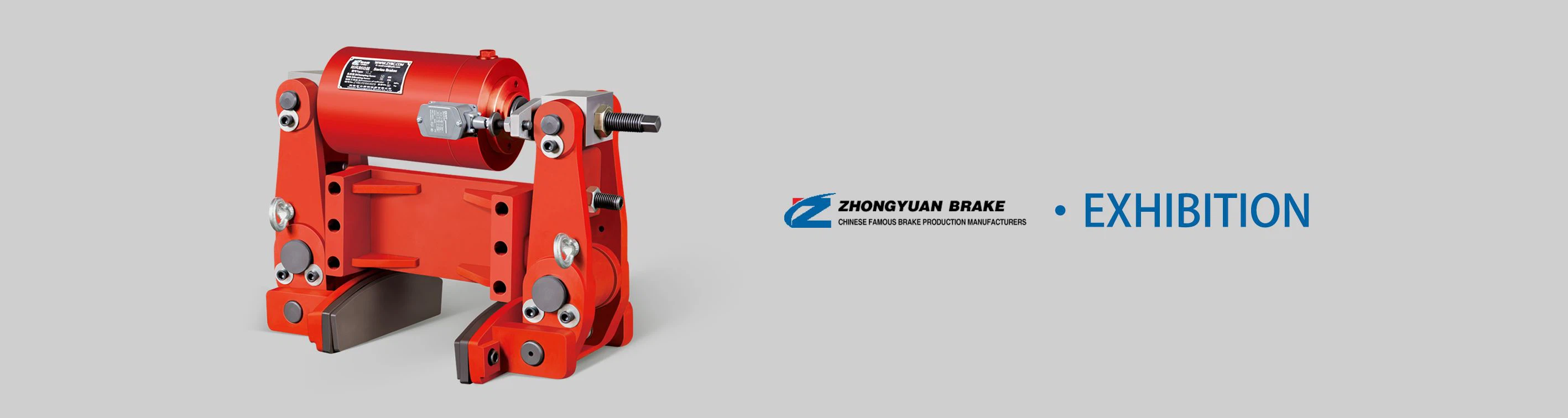
The Ed80/6-S.C is a precision-engineered industrial hydraulic actuator designed to convert hydraulic pressure into linear mechanical motion-critical for controlling valves, gates, dampers, or heavy machinery components in high-demand industrial settings (e.g., power plants, oil refineries, manufacturing facilities). Its model-specific design balances high force output, compact dimensions, and reliable performance, making it suitable for both on/off and modulating control applications. Below is a detailed breakdown of its model interpretation, core structure, working principle, key features, typical applications, and technical specifications:
1. Model Interpretation: Ed80/6-S.C
The model code follows industry conventions for hydraulic actuators, with each segment specifying critical technical parameters and design attributes-essential for equipment matching and application selection:
Ed: Product series identifier, typically denoting "Industrial Double-Acting Hydraulic Actuator" (the "d" often references double-acting functionality, where hydraulic pressure drives motion in both extension and retraction).
80: Nominal bore diameter of the actuator's hydraulic cylinder (in millimeters). This directly determines the actuator's maximum force output (larger bore = higher force, given constant hydraulic pressure).
6: Nominal stroke length (in centimeters, equivalent to 60mm). It represents the total linear distance the actuator's rod can extend or retract-defining the range of motion for the controlled equipment (e.g., how far a valve can open/close).
S.C: Special design suffix, commonly standing for "Spring-Closed" (a fail-safe feature). This indicates the actuator is equipped with internal springs that automatically drive the rod to a "closed" position (e.g., closing a valve) if hydraulic pressure is lost-critical for safety in processes requiring emergency shutdowns.
2. Core Structure & Key Components
The Ed80/6-S.C features a modular, robust design optimized for industrial durability and precision. Its core components work in tandem to deliver smooth, controlled linear motion:
2.1 Hydraulic Cylinder Assembly
Cylinder Barrel: A seamless steel or stainless steel barrel (80mm bore) with a precision-honed inner surface. This minimizes friction between the piston and barrel, ensuring consistent motion and preventing hydraulic fluid leakage.
Piston & Piston Rod: A high-strength steel piston (sealed with wear-resistant O-rings or U-cups) attached to a chrome-plated steel rod. The chrome plating reduces corrosion and wear, extending the rod's service life. The rod's end is typically threaded or flanged for easy connection to the controlled equipment (e.g., valve stems).
Hydraulic Ports: Two threaded ports (inlet/outlet) on the cylinder barrel-one for extending the rod (supply pressure to the "cap end" of the piston) and one for retracting it (supply pressure to the "rod end"). Ports often follow standard sizes (e.g., G1/4" or NPT 1/4") for compatibility with industrial hydraulic hoses.
2.2 Fail-Safe Spring Mechanism (S.C Feature)
Internal Compression Springs: Multiple high-tension steel springs housed in the cylinder's cap end. When hydraulic pressure is applied to extend the rod, the springs compress; if pressure drops (e.g., power failure, hydraulic system leak), the springs decompress, pushing the piston and rod back to the "closed" position. The spring force is calibrated to ensure fast, reliable fail-safe action without damaging the actuator or controlled equipment.
2.3 Sealing & Protection Components
High-Performance Seals: A multi-layer sealing system (including rod seals, piston seals, and wiper seals) made of nitrile rubber (NBR) or fluoropolymer (FKM, for high-temperature compatibility). These prevent hydraulic fluid leakage and block contamination (dust, debris, moisture) from entering the cylinder-critical for maintaining performance in harsh industrial environments.
Rod Boot (Optional): A flexible, dust-proof boot covering the rod's exposed section. It further protects the rod and seals from abrasion, chemicals, or extreme weather (e.g., in outdoor applications like water treatment plants).
2.4 Mounting & Connection Hardware
Standard Mounting Interfaces: Flange-mounted or trunnion-mounted designs (common for industrial actuators) to secure the Ed80/6-S.C to equipment frames or valve bodies. Mounting holes follow ISO standards for easy integration with existing systems.
Position Feedback Sensor (Optional): A magnetic or potentiometric sensor mounted on the actuator to provide real-time data on the rod's position. This enables modulating control (e.g., adjusting a valve to 50% open) and remote monitoring via PLC (Programmable Logic Controller) systems.
3. Working Principle
The Ed80/6-S.C operates as a double-acting, spring-closed hydraulic actuator, with three key operational states to control linear motion:
3.1 1. Rod Extension (e.g., Opening a Valve)
The actuator receives a signal from the hydraulic control system (e.g., a solenoid valve command).
Hydraulic fluid (typically mineral oil, rated for 10-35 MPa pressure) is pumped into the cap end port of the cylinder (the side of the piston opposite the rod).
Fluid pressure pushes the piston toward the rod end, compressing the internal fail-safe springs.
The piston rod extends outward (up to its 60mm stroke length), driving the connected equipment (e.g., opening a gate valve or lifting a mechanical arm).
3.2 2. Rod Retraction (e.g., Closing a Valve Under Normal Operation)
To retract the rod, the hydraulic control system redirects fluid to the rod end port (the side of the piston with the rod) and vents fluid from the cap end port.
Fluid pressure acts on the smaller "rod-side" area of the piston (since the rod occupies space on this side), pushing the piston back toward the cap end.
The compressed springs assist in retraction (reducing the hydraulic pressure required), and the rod pulls back to its original position-closing the controlled equipment.
3.3 3. Fail-Safe Retraction (Spring-Closed, e.g., Emergency Shutdown)
If hydraulic pressure is lost (e.g., pump failure, power outage, or system leak), there is no force to keep the springs compressed.
The internal springs rapidly decompress, exerting force on the piston to push it toward the rod end.
The rod retracts fully (to the "closed" position) within milliseconds, ensuring the controlled equipment (e.g., a process valve) shuts down immediately-preventing spills, overpressure, or other hazards.
4. Key Features & Performance Advantages
The Ed80/6-S.C is engineered to meet the rigors of industrial use, with features that prioritize reliability, safety, and versatility:
High Force Output: With an 80mm bore, the actuator delivers substantial linear force (e.g., ~20 kN at 40 MPa pressure)-sufficient to operate large valves, heavy dampers, or high-torque machinery components.
Fail-Safe Spring-Closed Design: The S.C suffix ensures emergency shutdowns if hydraulic pressure fails, complying with safety standards (e.g., ISO 13849) for critical processes (e.g., oil refining, power generation).
Compact & Space-Efficient: Its small form factor (60mm stroke + 80mm bore) makes it ideal for installation in tight spaces (e.g., crowded control panels or offshore platforms) where larger actuators cannot fit.
Durable Construction: Seamless steel cylinders, chrome-plated rods, and FKM/NBR seals resist corrosion, abrasion, and extreme temperatures (-20°C to 120°C, customizable for higher ranges). This extends service life to 10,000+ operating cycles under normal conditions.
Precision Control: The honed cylinder bore and low-friction seals ensure smooth, repeatable motion (positioning accuracy of ±0.5mm), making it suitable for both on/off (full open/closed) and modulating (variable position) applications.
Easy Maintenance: Modular components (e.g., replaceable seals, accessible springs) simplify inspection and repair. No specialized tools are required for routine maintenance (e.g., seal replacement), reducing downtime.
5. Typical Applications
The Ed80/6-S.C is designed for industrial processes requiring precise, safe linear motion control-especially where fail-safe shutdowns are critical. Common applications include:
Power Generation: Controlling gate valves, butterfly valves, or dampers in thermal power plants (e.g., regulating steam flow) or renewable energy facilities (e.g., adjusting wind turbine pitch controls).
Oil & Gas Industry: Operating choke valves, wellhead valves, or pipeline isolation valves-where the spring-closed feature prevents oil/gas leaks during system failures.
Water & Wastewater Treatment: Opening/closing sluice gates, check valves, or filtration system dampers in treatment plants-resisting corrosion from water and chemicals.
Manufacturing & Heavy Machinery: Actuating clamps, presses, or conveyor stops in automotive factories, steel mills, or packaging lines-delivering high force for heavy-duty mechanical tasks.
Chemical Processing: Controlling process valves for acids, solvents, or high-temperature fluids-with FKM seals ensuring compatibility with aggressive media.
6. Technical Specifications (Typical Ratings)
| Parameter | Specification (Ed80/6-S.C) |
|---|---|
| Actuation Type | Double-acting (hydraulic extension/retraction) with spring-closed fail-safe |
| Bore Diameter | 80 mm |
| Stroke Length | 60 mm (6 cm) |
| Maximum Operating Pressure | 10-35 MPa (1450-5075 psi) |
| Rated Force (Extension) | ~17.6 kN (at 35 MPa) |
| Rated Force (Retraction) | ~12.3 kN (at 35 MPa, rod-side) |
| Fail-Safe Action | Spring-closed (rod retraction) |
| Operating Temperature Range | -20°C to 120°C (customizable to -40°C to 150°C with high-temp seals) |
| Fluid Compatibility | Mineral oil, water-glycol, or synthetic hydraulic fluids |
| Sealing Material | NBR (standard) / FKM (high-temp/chemical-resistant) |
| Mounting Type | Flange-mounted (ISO 6431) / Trunnion-mounted (optional) |
| Rod Material | Chrome-plated carbon steel (EN 10083) |
| Cylinder Material | Seamless carbon steel (ST52) or stainless steel (316, optional) |
| Weight | ~3.5-4.5 kg (depending on mounting hardware) |