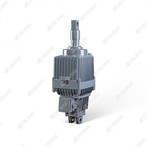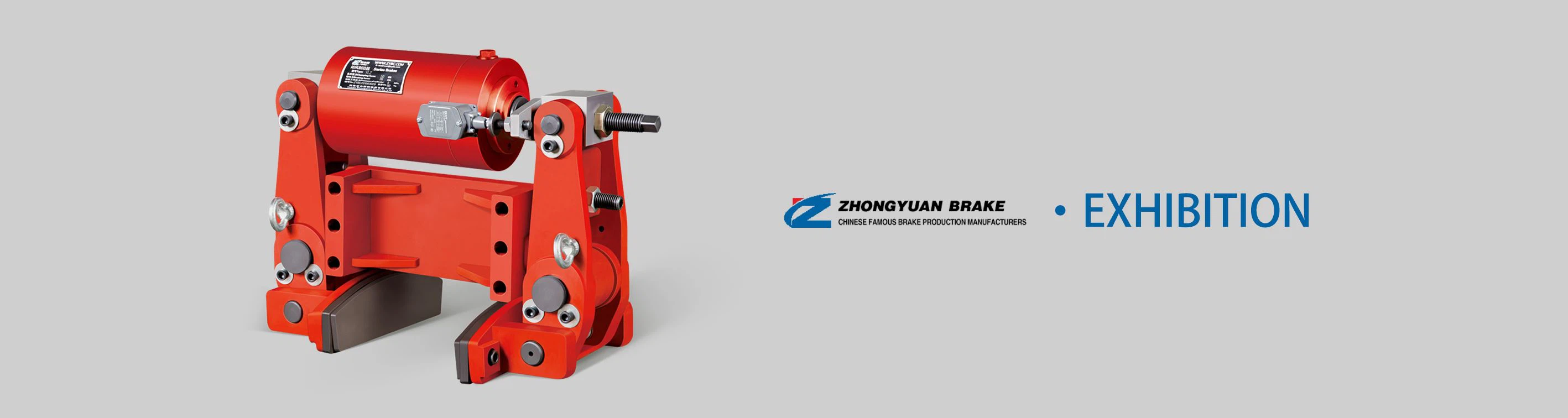
Structure and Components
1 Brake Drum
The brake drum is a cylindrical component that rotates with the wheel or the driven shaft. It is typically made of high - strength cast iron or steel, which can withstand high temperatures and mechanical stresses generated during braking. The inner surface of the brake drum is the friction surface where the brake shoes make contact to generate braking force.
2 Brake Shoes
There are usually two brake shoes in the QW500 - 63 model. These are semi - circular components lined with friction material. The friction material is carefully selected for its high coefficient of friction, wear resistance, and heat - dissipation properties. When the braking mechanism is activated, the brake shoes are forced against the inner surface of the brake drum, creating friction and thus slowing down or stopping the rotation.
3 Air Actuator
The air actuator is the power - generating part of the braking mechanism. It uses compressed air as the working medium. When compressed air enters the actuator, it exerts a force on a piston or a diaphragm inside the actuator. This force is then transmitted to the brake shoes through a linkage system, causing them to move towards the brake drum. The air actuator is designed to provide a quick and powerful response, ensuring rapid braking when needed.
4 Linkage System
The linkage system connects the air actuator to the brake shoes. It consists of various rods, levers, and pivots. The design of the linkage system is crucial for ensuring that the force from the air actuator is evenly distributed to both brake shoes, resulting in balanced braking. It also allows for proper adjustment of the clearance between the brake shoes and the brake drum, which is essential for maintaining optimal braking performance over time.
5 Return Springs
Return springs are installed to pull the brake shoes back to their original position when the braking force is released. After the compressed air is vented from the air actuator, the return springs ensure that the brake shoes are separated from the brake drum, allowing the wheel or the driven shaft to rotate freely again.