
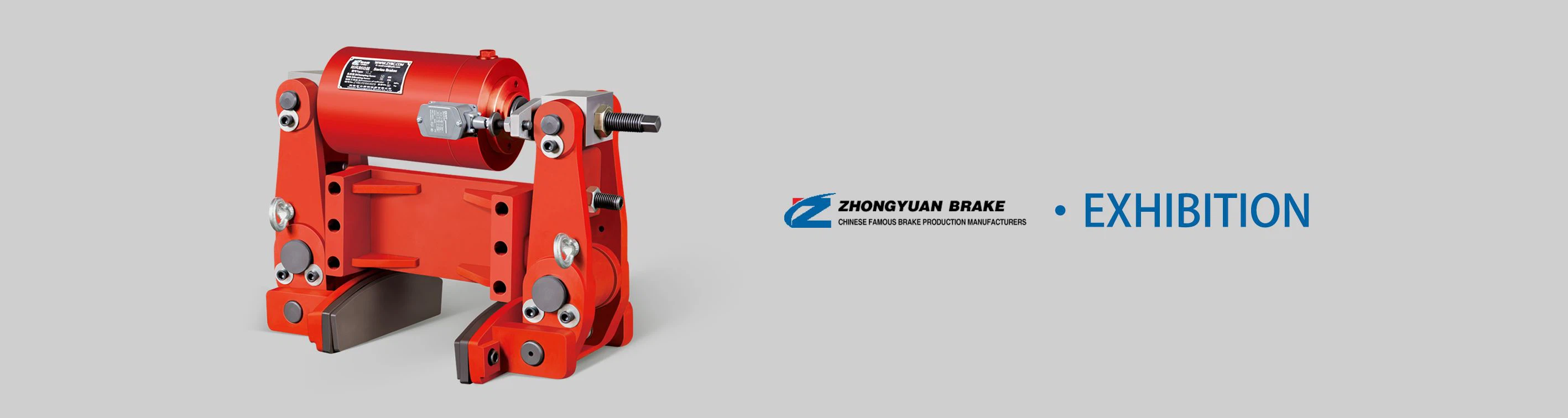
1. Working Principle
The brake operates based on the combination of foot-driven hydraulic pressure and spring reset, supplemented by wear-compensating and maintenance-friendly structural designs. The core working process includes three stages:
1.1 Braking Execution
When braking is required, the operator depresses the matching foot hydraulic pump. The hydraulic oil in the system is pressurized (working pressure: 6–12 MPa) and transmitted to the brake wheel cylinder via high-pressure hoses.
The piston in the wheel cylinder pushes outward under hydraulic force, driving the two arc-shaped brake shoes to swing outward around fixed fulcrums.
The asbestos-free friction linings on the brake shoes tightly fit the inner wall of the 200 mm brake drum (rotating synchronously with the equipment shaft). The generated friction torque resists the drum's rotation, rapidly decelerating the equipment shaft until it stops, achieving stable braking.
An integrated interlocking equal-clearance device ensures uniform gaps between both brake shoes and the drum, avoiding uneven wear or reduced braking efficiency caused by one-sided lining adhesion.
1.2 Brake Release
When the operator releases the foot pump, the hydraulic system pressure drops sharply and is relieved through the pressure relief valve.
The return springs (65Mn steel) inside the wheel cylinder rebound, pulling the piston and brake shoes inward to reset. The friction linings completely disengage from the brake drum, leaving a 0.4–0.6 mm clearance to eliminate drag friction.
The brake drum is no longer constrained and rotates freely with the equipment shaft, allowing the equipment to operate normally.
1.3 Structural Advantages for Stable Operation
Self-lubricating Hinges: All main hinge points are equipped with self-lubricating copper bushings, eliminating the need for frequent manual lubrication, reducing component wear, and ensuring smooth braking actions.
Quick-Replace Linings: Friction linings adopt a clip-on design, enabling fast disassembly and replacement without disassembling the entire brake, minimizing maintenance downtime.
Pressure Protection: A built-in pressure-limiting valve prevents overpressure in the hydraulic system (max pressure ≤15 MPa), protecting hoses and cylinders from damage.


