
The brake pedal mechanism and the brake master cylinder are mounted on the frame. Because the wheel is connected with the frame through the elastic suspension, and some or the steering wheel, the relative position of the master cylinder and the wheel cylinder often changes, so the connecting oil pipe between the master cylinder and the wheel cylinder in addition to the metal pipe (copper pipe), there is a special rubber brake hose. There are various pipe joints between each hydraulic component and each section of tubing. Before braking, the entire hydraulic system should be filled with specially prepared brake fluid.
Hydraulic brakes after a long time of use need to be adjusted to ensure its braking efficiency, specific methods are:
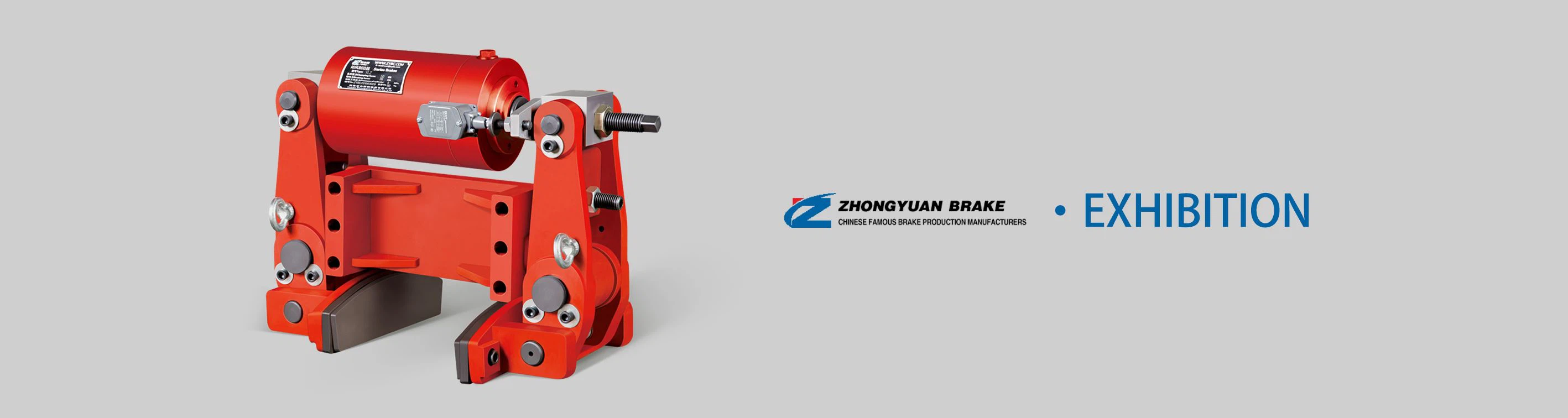
(1) Adjustment of braking torque: By rotating the main spring nut to change the length of the main spring, different braking torque is obtained. The adjustment should be based on the two calibration lines on the side of the main spring frame, when the spring is located in the middle of the two lines, that is, the frontal dynamic braking torque. Pay special attention to the right end of the tie rod can not contact with the pin of the spring frame or top dead, should leave a certain gap.
(2) Adjustment of the brake tile opening gap: the adjustment of the brake tile must keep the gap on both sides of the brake tile the same, if the gap is not equal, it can be achieved by adjusting the tightness of the screw. If the opening gap of the left brake tile is large, and the right side is small, the left side should be tightened; Otherwise, it is adjusted in the opposite direction.
(3) Adjustment of the compensation stroke: the ideal compensation stroke can be obtained by adjusting the position of the lever. Rotate the tie rod so that the center line of the tie rod connecting the driver pin and the center line of the tie rod pin are in the same horizontal line.
Hydraulic brake in the use of the process will inevitably occur accidents resulting in hydraulic brake failure, let's take a look at how to diagnose and exclude the cause of hydraulic brake failure. First step on the brake pedal test, according to the feeling of stepping on the brake pedal, check the relevant parts accordingly:
① If there is no connection between the brake pedal and the brake master cylinder, it indicates that the connection between the brake pedal and the brake master cylinder is loose, and it should be checked and repaired.
When you step on the brake pedal, if you feel very light and slightly resistance, you should check whether the brake fluid in the master cylinder liquid storage room is sufficient. If there is no or serious shortage of liquid in the master cylinder reservoir, brake fluid should be added to the specified position. When you press the brake pedal again, if there is still no resistance, you should check the brake hose or metal pipe from the brake master cylinder to the brake wheel cylinder for oil leakage.
③ When you step on the brake pedal, although you feel a certain resistance, the pedal position cannot be maintained and it is obviously sinking, you should check whether there is brake fluid leakage at the dust jacket of the push rod of the brake master cylinder. If there is brake fluid leakage, it means that the brake master cylinder cup is broken; If there is a large amount of brake fluid on the edge of the wheel brake drum, it should be checked whether the brake cylinder bowl is overturned and whether the wear is serious.
Contact Us
- Wei Four Road, Weizhuang industrial Park, Changyuan District, Xinxiang City, Henan Province, China
- sales@zybc.com
- +86-373-7136666
We should pay attention to these places when using hydraulic brakes
Aug 31, 2024
You Might Also Like


Send Inquiry