Key Components
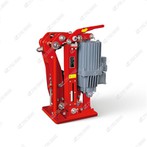
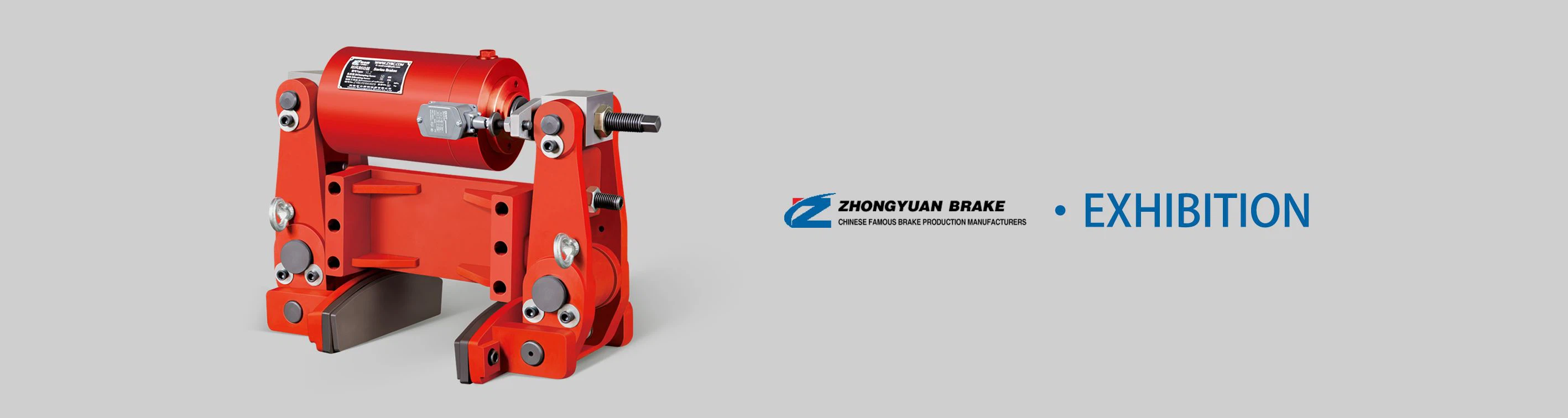
- Hydraulic System: At the heart of the device lies a high - performance hydraulic system. This system consists of a hydraulic pump, cylinders, valves, and hoses. The hydraulic pump generates the necessary pressure to drive the hydraulic cylinders, which are responsible for applying the clamping force to the rail. The valves control the flow and direction of the hydraulic fluid, enabling precise operation and adjustment of the clamping force. The hoses connect these components, ensuring the smooth transmission of hydraulic power.
- Clamping Mechanism: The clamping mechanism is designed to firmly grip the rail. It typically includes a pair of clamping jaws that are precisely shaped to fit the profile of the rail. These jaws are actuated by the hydraulic cylinders, allowing them to close tightly around the rail and hold it in place. The design of the clamping mechanism ensures a uniform distribution of clamping force along the rail, minimizing the risk of damage to the rail surface.
- Support Structure: The support structure provides a stable base for the entire device. It is made of high - strength materials, such as steel, to withstand the forces generated during the clamping process. The support structure is also designed to be adjustable, allowing the device to be used on different types of railway tracks and sleepers.
- Control Panel: The control panel is the user interface of the device. It allows operators to control the operation of the hydraulic system, adjust the clamping force, and monitor the status of the device. The control panel is equipped with intuitive buttons, indicators, and a display screen, making it easy for operators to use the device safely and efficiently.