
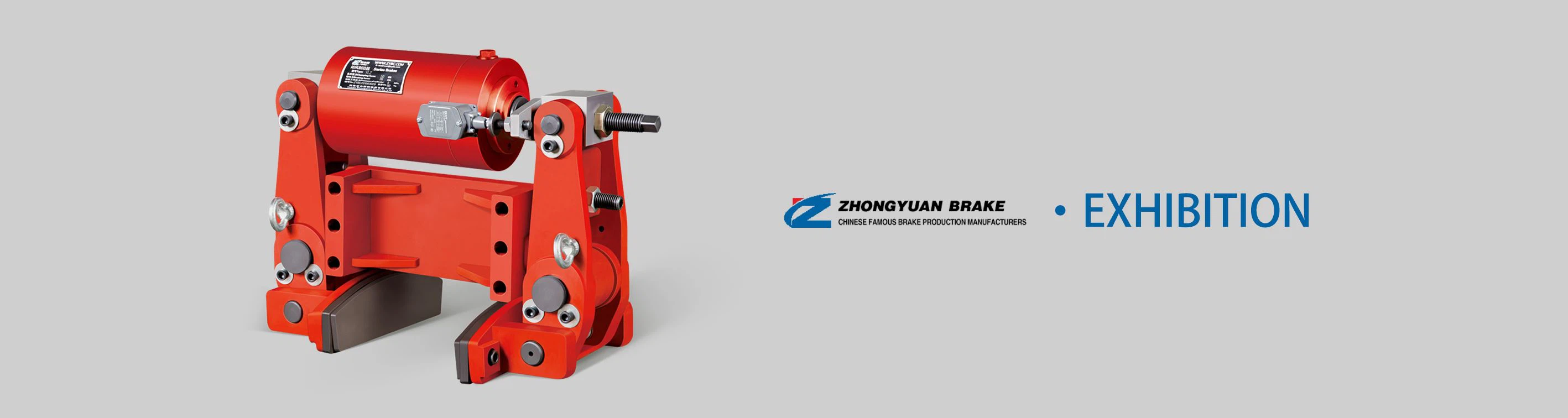
The YP41 Series is a range of high-performance industrial electro-hydraulic disc brakes engineered for reliable braking control in heavy-duty rotating machinery-including cranes (overhead, gantry, tower), winches, conveyors, and mining equipment. Designed with a focus on durability, precision, and fail-safe operation, this series integrates electro-hydraulic actuation with a robust disc-based braking structure to deliver consistent torque output, fast response times, and resistance to harsh industrial environments. Ideal for applications requiring frequent start-stop cycles or high-load holding (e.g., steel mills, ports, mining sites), the YP41 Series meets global safety standards and offers versatile configurations to match diverse equipment needs. Below is a detailed breakdown of its model characteristics, core structure, working principle, key features, typical applications, and technical specifications:
1. Series Overview & Core Function
The YP41 Series is defined by its electro-hydraulic actuation (electric power drives hydraulic force) and disc-style braking (friction acts on a rotating disc)-a combination that ensures uniform force distribution, efficient heat dissipation, and minimal wear compared to traditional drum brakes. Its primary functions include:
Dynamic Braking: Decelerating or stopping rotating machinery (e.g., crane hoists, conveyor belts) with controlled torque to avoid load sway or shock.
Static Load Holding: Securing loads in place during downtime or maintenance (e.g., suspending a crane load mid-air).
Emergency Braking: Automatically engaging in power failure or system faults to prevent equipment runaway-critical for high-risk operations like mining hoists or port cranes.
The series covers a range of sizes (disc diameter compatibility: 200–800mm) and torque outputs (100–5,000 N·m), making it suitable for both light-to-medium (1–20 tons) and heavy-duty (20–100+ tons) machinery.
2. Core Structure & Key Components
The YP41 Series features a modular, service-friendly design with four integrated subsystems, each optimized for performance and durability:
2.1 1. Electro-Hydraulic Actuation Unit (Power Core)
The actuation unit converts electrical energy into hydraulic force to drive brake engagement/release, comprising:
Hydraulic Cylinder: A sealed, high-pressure cylinder (rated for 10–25 MPa) with a precision-machined piston. It uses high-temperature-resistant seals (FKM material) to prevent oil leakage, even in extreme environments (-30°C to 120°C).
Electric Motor & Pump Assembly: A 380V AC (50Hz/60Hz) industrial motor (power range: 0.37–2.2 kW) paired with a gear pump. The motor drives the pump to generate hydraulic pressure, with variable speed options for adjustable actuation speed.
Control Valve Block: Integrates check valves, relief valves, and solenoid valves to regulate pressure, prevent pressure spikes, and enable fast pressure release during emergency braking.
2.2 2. Disc Braking Assembly (Friction Core)
The assembly interfaces with the machinery's rotating disc to generate braking force, including:
Brake Caliper: A dual-caliper or single-caliper design (depending on torque needs) made of high-strength cast iron (HT300) or aluminum alloy (for lightweight models). It houses the friction pads and ensures even contact with the disc.
Friction Pads: Made of semi-metallic or ceramic composite materials with a high friction coefficient (μ ≥ 0.45) and heat resistance up to 400°C. The pads are replaceable via a snap-in design, simplifying maintenance.
Disc Compatibility: Designed to work with standard industrial discs (thickness: 10–30mm, material: 45# steel or stainless steel). The caliper's adjustable mounting bracket accommodates minor disc alignment variations, reducing installation complexity.
2.3 3. Fail-Safe Spring Mechanism (Safety Core)
A mandatory feature for high-risk applications, this mechanism ensures braking capability in power loss scenarios:
High-Tension Compression Springs: Multiple manganese-steel springs (calibrated to 5–20 kN force) housed within the caliper. When hydraulic pressure is applied (brake release), the springs compress; if pressure drops (power failure), the springs expand instantly, pushing the friction pads against the disc to lock the shaft.
2.4 4. Adjustment & Protection Components (Durability Core)
Automatic Gap Adjuster: A mechanical or hydraulic system that compensates for friction pad wear in real time, maintaining a consistent brake gap (0.2–0.4mm) and eliminating manual re-calibration.
Anti-Corrosion Housing: The caliper and actuation unit are coated with epoxy resin (thickness ≥ 80μm) or galvanized to resist dust, moisture, and chemical exposure-suitable for outdoor (ports) or corrosive (chemical plants) environments.
Condition Monitoring Sensors (Optional): Proximity sensors for pad wear detection and thermocouples for disc temperature monitoring. These send real-time alerts to the machinery's control system, enabling predictive maintenance.
3. Working Principle
The YP41 Series operates in three key states, aligned with standard industrial machinery cycles:
3.1 1. Brake Release (Normal Operation)
When the machinery (e.g., a crane hoist) is activated, the control system supplies power to the brake's electric motor.
The motor drives the hydraulic pump, which builds pressure in the cylinder. This pressure pushes the piston, compressing the fail-safe springs and retracting the brake caliper's friction pads away from the rotating disc.
A small gap (0.2–0.4mm) is created between pads and disc, allowing the disc (and connected shaft) to rotate freely for normal machinery operation (e.g., lifting, conveying).
3.2 2. Brake Engagement (Controlled Stopping/Holding)
Controlled Stopping: To slow or stop the machinery, the control system reduces power to the motor, lowering hydraulic pressure. The fail-safe springs begin to expand, pushing the friction pads against the disc.
Torque Generation: Friction between pads and disc generates braking torque (adjustable via spring preload or hydraulic pressure), decelerating the disc at a controlled rate (≤ 0.8 seconds for most models) to avoid load shock.
Static Holding: For load security (e.g., suspending a crane load), the motor is powered down to ~20% of rated output. Reduced hydraulic pressure allows the springs to partially engage the pads, applying just enough torque to hold the load without damaging the disc.
3.3 3. Emergency Braking (Power Failure/Fault)
In case of sudden power loss (e.g., grid outage) or system fault (e.g., overspeed detected by a sensor), the motor stops instantly, and hydraulic pressure drops to zero.
The fail-safe springs fully expand within milliseconds, slamming the friction pads against the disc with maximum force. Braking torque peaks at the series' rated capacity, locking the shaft and stopping the machinery within ≤ 0.6 seconds-preventing accidents.
4. Key Features of the YP41 Series
The YP41 Series stands out for its industrial ruggedness and operational versatility, with the following core advantages:
4.1 1. High Torque Stability & Precision
Electro-hydraulic actuation delivers consistent torque output (±5% of rated value) across temperature fluctuations (-30°C to 120°C) and voltage variations (±10% of rated voltage). This ensures predictable braking performance for precision tasks (e.g., crane load positioning).
4.2 2. Efficient Heat Dissipation
The disc-based design and large pad contact area enable fast heat dissipation-critical for frequent braking cycles (e.g., conveyor belts in mining). This prevents brake fade (loss of friction due to overheating) and extends pad service life to ≥ 8,000 working hours.
4.3 3. Compact & Space-Saving Design
The modular caliper and integrated actuation unit reduce the brake's overall footprint by 20% compared to traditional split-design disc brakes. This makes it suitable for space-constrained equipment (e.g., small winches, crane trolleys).
4.4 4. Low Maintenance Requirements
Replaceable snap-in friction pads can be swapped out in ≤ 30 minutes without disassembling the entire brake.
The automatic gap adjuster eliminates manual re-calibration, reducing maintenance frequency by 50%.
Sealed hydraulic components prevent oil contamination, extending the actuation unit's service life to ≥ 5 years.
4.5 5. Global Safety Compliance
Meets international standards, including ISO 10472 (Industrial disc brakes), GB/T 22345 (Chinese electro-hydraulic disc brake standards), and CE (EU Machinery Directive). It also complies with mining-specific regulations (e.g., ATEX for explosive environments, optional).
5. Typical Applications
The YP41 Series is versatile enough to serve multiple heavy-industry sectors, with common use cases including:
Cranes: Overhead cranes (steel mills), gantry cranes (ports), and tower cranes (construction)-for hoist braking and travel mechanism control.
Winches: Mining hoists (ore lifting), shipyard winches (cargo handling), and offshore winches (drilling platforms)-relying on fail-safe braking for load security.
Conveyors: Belt conveyors (mining, cement plants) and chain conveyors (manufacturing)-for stopping and holding material flows on inclines.
Heavy Machinery: Rolling mills (steel production), mixers (chemical plants), and wind turbine yaw drives-requiring high torque and corrosion resistance.


