
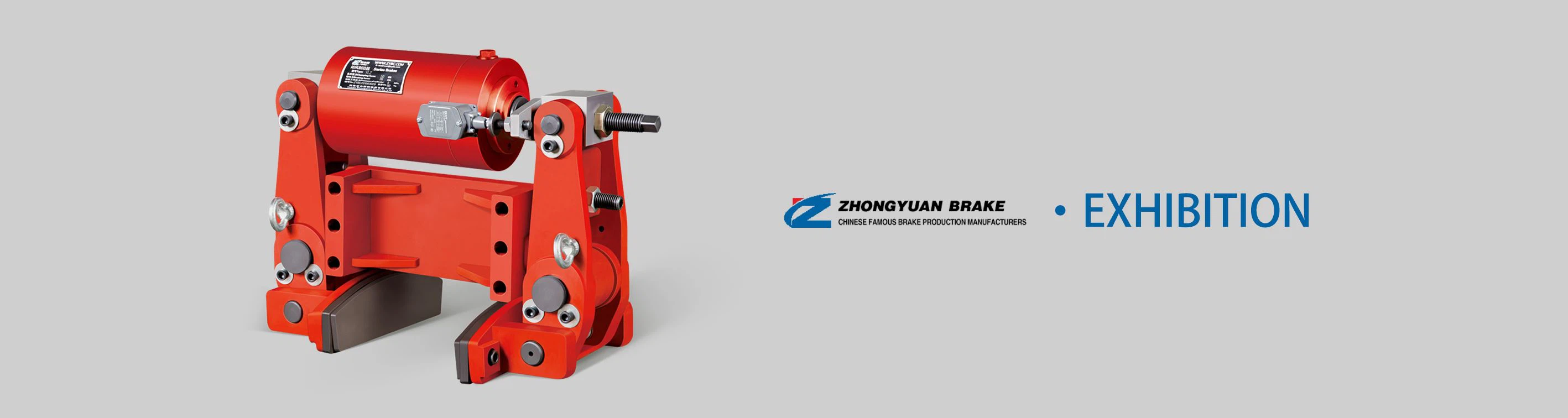
The ZYTJX - 250 - P50 - RL is a member of the ZYTJX series hydraulic rail clamps. It is a critical windproof and positioning component for outdoor rail - mounted cranes and other equipment. Here is a detailed breakdown of its parameter specifications, working principles, installation and commissioning processes, as well as maintenance methods:
Key Parameter Specifications
| Parameter Type | Specific Details |
|---|---|
| Core Performance Parameters | The rated anti - slip force is 250kN, the rated clamping force is 500kN. It is specially designed for P50 rails, which can firmly clamp the rail to avoid equipment sliding caused by strong winds and other external forces. |
| Applicable Working Conditions | The ambient temperature range is -20℃ to +50℃. It adopts intermittent operation mode, featuring short - time action and low frequency. The hydraulic station is powered by three - phase AC 380V with a frequency of 50Hz. |
| Structural Supporting Parameters | It is equipped with a limit switch for interlocking protection. The double guide wheel design is adopted to effectively prevent the rail clamp from detaching from the rail. It must be used with a matching hydraulic station or power unit. |
Working PrincipleThis rail clamp adopts the working mode of spring clamping and hydraulic release, and its operation is closely interlocked with the host's traveling circuit:
Clamping State: When the outdoor rail - mounted crane and other host equipment stop running, the solenoid valve of the hydraulic system is de - energized. The pressure oil flows back to the oil tank, and the spring rebounds and releases energy. It drives the crossbeam, connecting rod, and clamp mechanism to act, so that the clamp firmly clamps the P50 rail, achieving windproof positioning and preventing the host from being blown away or displaced.
Release State: When the host needs to move, the hydraulic station is activated first. The pressure oil enters the cylinder cavity, pushing the piston to compress the spring. This causes the clamp to open. When the clamp is fully opened, it triggers the limit switch to cut off the power supply of the oil pump motor. Meanwhile, the interlocking circuit of the host's traveling motor is connected, and the host can then move freely along the rail. During the traveling of the host, the hydraulic system maintains pressure to keep the clamp in the open state.
Installation and Commissioning Steps
Pre - installation Preparation: First, check whether the clamp body, spring, hydraulic cylinder, limit switch and other components are intact, and ensure that there is no jamming in the moving parts. Prepare installation tools such as wrenches and welding machines, and fill the matching hydraulic station with hydraulic oil to the middle of the oil level gauge. For normal temperature environments, YA - N32 or YA - N46 ordinary hydraulic oil can be selected.
Positioning and Fixing: Energize the rail clamp to make it open, then hoist it onto the P50 rail, ensuring that the clamp straddles the rail stably. Use shim plates to raise the guide wheels so that the tread of the guide wheels is 10mm higher (the shim plates are removed after the overall installation). Cut off the power supply to make the clamp clamp the rail. Adjust the center position of the connecting frame of the rail clamp to align it with the center of the wheels of the traveling mechanism, and then weld and fix the connecting frame to the host. It should be noted that when the clamp clamps the rail, the gap between the cushion block and the lead screw nut should be at least 8mm to avoid clamping failure due to rail wear.
Hydraulic and Electrical Connection: Connect the oil pipes of the hydraulic station to the rail clamp cylinder. The pressure oil pipe is connected to the rod chamber of the cylinder, and the return pipe is connected to the rodless chamber. Incorrect connection will lead to the failure of the rail clamp to act. Connect the limit switch and the hydraulic station circuit to the host control system to realize the interlocking function that the host can only start when the clamp is fully opened.
Post - installation Commissioning: Start the hydraulic station and adjust the relief valve to make the system pressure reach 11 - 13MPa. Check whether the clamp can be opened and closed flexibly. The opening time should be ≤ 5s and the clamping time ≤ 8s. Test the interlocking function. If the clamp is not fully opened, the host traveling mechanism shall not be started. Conduct a 10 - minute pressure maintenance test. The pressure drop should be ≤ 0.5MPa to ensure no oil leakage in the pipeline and hydraulic components.


