
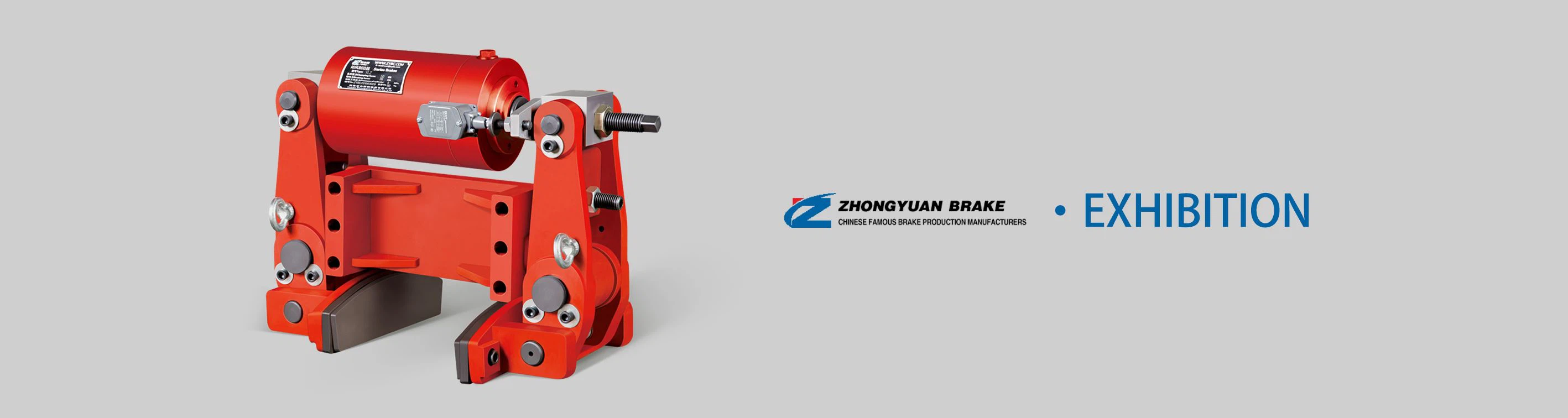
The BYT1-125Z/10.C Series is a high-performance explosion-protected electro-hydraulic thruster, a core executive component specialized for explosive hazardous environments, mainly matched with drum brakes, disc brakes and other braking devices to provide stable linear thrust for mechanical braking/ releasing actions. It integrates electric drive, hydraulic transmission and mechanical thrust output, featuring explosion-proof safety, reliable operation and adaptive performance for harsh working conditions, and is widely applied in coal mines, chemical plants, oil refineries, gas stations, metallurgical mines with flammable and explosive media and other hazardous industrial sites.
Core Features
Certified Explosion-Proof PerformanceThe electrical part adopts intrinsically safe/ flameproof explosion-proof structure (compliant with national explosion-proof standards such as GB 3836), with explosion-proof grade applicable to Zone 1/2 flammable gas environments and Zone 21/22 combustible dust environments, effectively preventing electrical sparks, arc and high temperature from igniting the surrounding explosive mixture.
Integrated Hydraulic-Electric DesignIntegrates motor, oil pump, oil cylinder, control valve group and oil tank into a compact whole, no external hydraulic pipeline needed; the sealed oil circuit design ensures zero oil leakage and easy installation/ maintenance.
Stable Thrust & Adjustable StrokeOptimized hydraulic transmission system provides constant rated thrust during the whole stroke, with smooth action and no impact; the stroke can be fine-tuned according to matching brake requirements to adapt to different working conditions.
Strong Adaptability to Harsh EnvironmentsThe shell is made of high-strength cast iron/ steel plate with anti-corrosion spray coating, resistant to dust, moisture, vibration and slight corrosion; applicable ambient temperature range is -20℃ ~ +55℃ (custom low-temperature version available for frigid areas).
Reliable Self-Locking & Emergency PerformanceBuilt-in hydraulic one-way valve and mechanical self-locking structure, which can maintain the current thrust state when the power is cut off accidentally, avoiding sudden brake failure; the action response is fast, and the braking/ releasing switching is sensitive.
Standardized Electrical InterfaceEquipped with explosion-proof cable gland and standardized terminal block, the electrical connection is safe and convenient; it supports AC 380V/220V 50Hz (custom AC 460V 60Hz for export) and can be matched with PLC automatic control system.
Model Nomenclature (BYT1-125Z/10.C)
BYT1: Series identifier (B=Brake matching, Y=Hydraulic, T=Thruster, 1=First generation optimized model)
125: Rated thrust (kN) (125kN is the core thrust parameter of this series)
Z: Structural feature code (e.g., vertical installation/ enhanced seal type, subject to manufacturer's official definition)
10: Rated stroke (cm) (10cm=100mm, the effective working stroke of the thruster)
C: Configuration code (e.g., explosion-proof grade upgrade/ special hydraulic oil configuration/ with position feedback sensor)
Structural Composition
The thruster is a fully integrated closed structure, with key components including:
Explosion-proof three-phase asynchronous motor: Power source, core explosion-proof part of the whole machine;
Internal gear oil pump: Drives hydraulic oil circulation to generate pressure;
Integrated oil cylinder & piston rod: Converts hydraulic pressure into linear mechanical thrust;
Hydraulic control valve group: Includes one-way valve, relief valve, throttle valve, to control oil circuit direction, pressure and flow;
Sealed oil tank: Integral with the shell, filled with anti-wear hydraulic oil, no external oil supply needed;
Explosion-proof shell & accessories: High-strength protective shell, explosion-proof cable gland, mounting flange, stroke adjustment bolt, etc.;
Position feedback sensor (optional): Real-time monitoring of piston rod stroke, supporting remote status feedback and automatic control.
Working Principle
Brake Releasing (Thrust Output): When the explosion-proof motor is powered on, it drives the internal oil pump to work, the hydraulic oil is pressurized and enters the oil cylinder, pushing the piston rod to extend outward, and the rod end acts on the brake caliper/ brake shoe to overcome the brake spring force and realize brake releasing.
Brake Clamping (Reset): When the motor is powered off, the hydraulic pressure is relieved, the brake spring rebounds to drive the brake caliper/ brake shoe to clamp the brake disc/ drum, and at the same time, the hydraulic oil in the oil cylinder flows back to the oil tank through the one-way valve, and the piston rod retracts to the initial position under the action of the return spring.
Pressure Regulation & Stroke Control: The relief valve adjusts the system working pressure to ensure the rated thrust output; the throttle valve fine-tunes the extension/ retraction speed of the piston rod; the stroke adjustment bolt can limit the maximum stroke of the piston rod to match the brake clearance.
Typical Applications
Mainly matched with explosion-proof brakes for various mechanical equipment in hazardous environments, such as:
Conveying equipment: Belt conveyors, scraper conveyors in coal mines;
Hoisting equipment: Explosion-proof electric hoists, jib cranes, mine hoists;
Metallurgical/ chemical equipment: Explosion-proof fans, pumps, mixers, rolling mill auxiliary equipment;
Port/ industrial transportation: Explosion-proof forklifts, stackers in hazardous cargo yards.
Daily Maintenance Notes
Regularly check the oil level in the sealed oil tank, and make up the specified anti-wear hydraulic oil in time (no mixed use of different types of oil);
Inspect the sealing performance of the piston rod and oil tank, and replace the damaged seal ring immediately to prevent oil leakage;
Clean the explosion-proof shell and cable gland regularly to avoid dust and sundries accumulation affecting heat dissipation and explosion-proof performance;
Periodically check the stroke and thrust of the piston rod, and adjust and maintain in time if there is deviation;
For long-term idle equipment, the piston rod should be retracted to the initial position, and the oil tank should be filled with oil to prevent rust and oil deterioration.


