Key Components and Structure
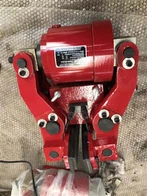
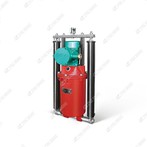
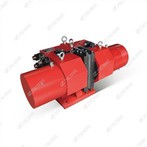
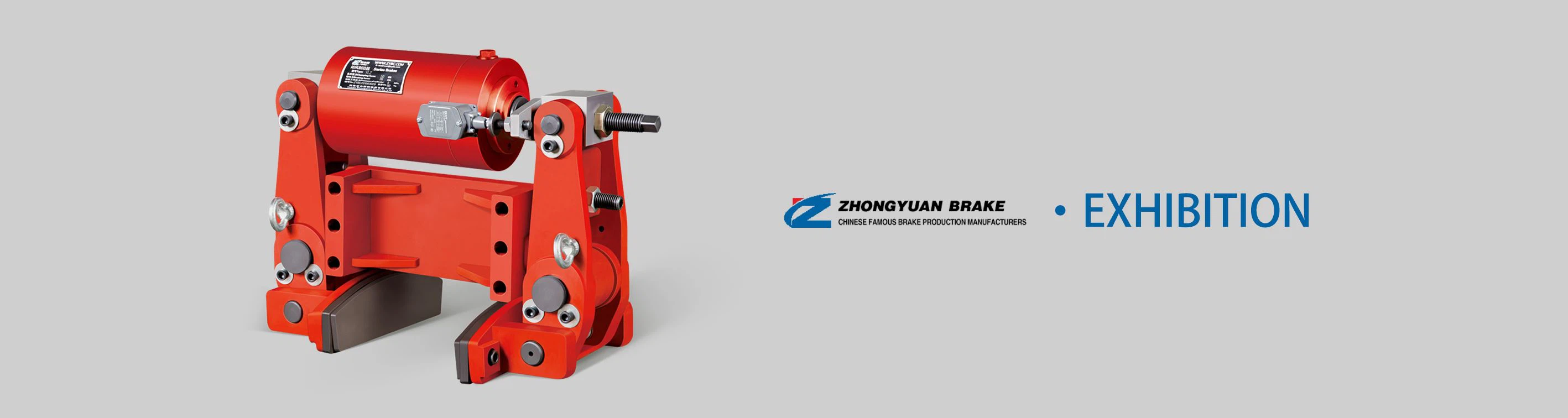
- Cylinder Body: The main housing of the device, which contains the hydraulic fluid and provides a rigid structure for the internal components. It is typically made of high - strength materials such as alloy steel to withstand high - pressure hydraulic forces and ensure long - term durability.
- Piston Assembly: Comprising a piston and a piston rod, this part is responsible for the linear movement. The piston divides the cylinder body into two chambers, and as hydraulic fluid is directed into one of the chambers, it exerts pressure on the piston, causing it to move along with the attached piston rod. The piston rod extends out of the cylinder body and is the output element that delivers the linear force and displacement.
- Sealing System: Essential for preventing hydraulic fluid leakage and maintaining the pressure within the cylinder. It includes various types of seals, such as piston seals, rod seals, and wiper seals. These seals are made of high - quality elastomeric materials that can withstand the operating pressure and temperature range of the device, ensuring efficient and reliable operation.
- Hydraulic Connection Ports: These are the inlets and outlets through which hydraulic fluid enters and exits the cylinder chambers. They are precisely designed to ensure proper fluid flow and pressure distribution within the device, allowing for smooth and controlled movement of the piston assembly.