Product Overview
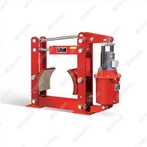
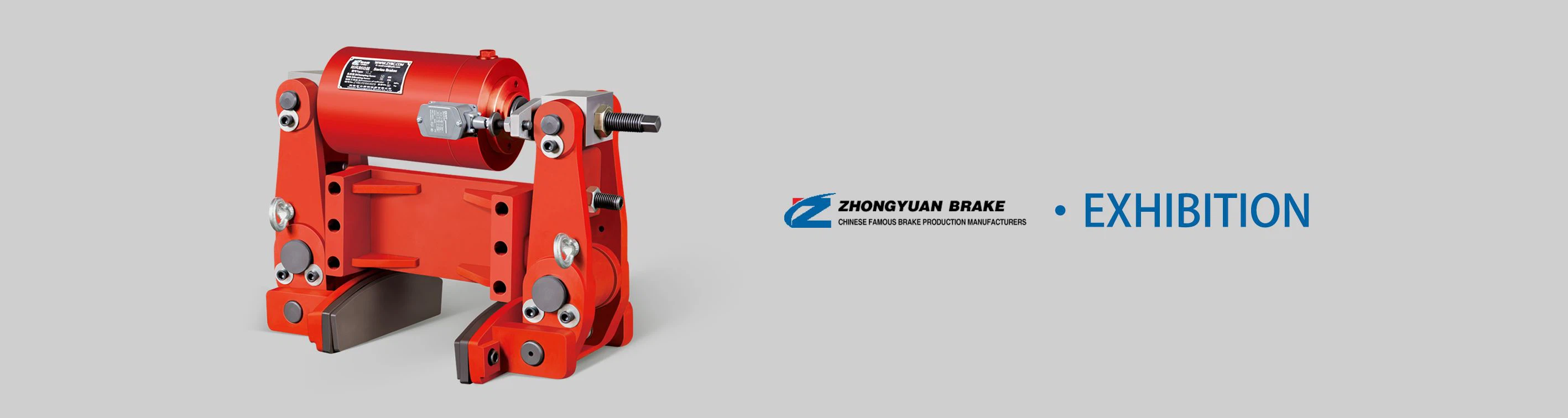
QP12.7‑C pneumatic disc brake is a compact industrial air-operated caliper brake with classic spring applied, pneumatic released fail-safe design. Compressed air is adopted as power source. When supplied with stable air pressure, the brake is released for equipment normal operation. Once air supply is interrupted, air pressure leaks or pneumatic system fails, built-in high-strength springs will immediately push brake pads to clamp the brake disc and realize emergency braking automatically.
This brake is equipped with automatic friction pad wear compensation mechanism. It keeps consistent clearance between pads and brake disc during long-term operation, reducing manual adjustment work. The brake uses eco-friendly non-asbestos friction pads, supports high-frequency cyclic braking. With small size, light weight and simple installation, it is widely selected for medium & low torque braking and tension control scenarios.
Core Features & Product Advantages
Fail-Safe Protection Design: Spring-applied braking, air pressure release. Brake engages automatically once air pressure is lost, effectively prevent equipment runaway and sliding, meets global industrial safety requirements.
Automatic Pad Wear Compensation: Built-in gap compensation structure, automatically compensates friction pad wear, maintains stable braking clearance, reduces routine maintenance work.
Adjustable Braking Torque: Braking force can be stepless adjusted by changing air pressure within working range, to meet deceleration, holding and tension control requirements of different machines.
Compact & Lightweight Caliper Structure: Small overall dimension, easy to install on limited installation space, compatible with most standard brake disc assemblies.
Quick Pad Replacement: Clamped friction pad design, pads can be replaced rapidly without disassembling the whole brake, shorten downtime and save maintenance cost.
High-Frequency Braking Performance: Stable response for frequent start-stop working conditions, smooth braking without impact or jitter.
Eco-friendly Non-asbestos Friction Lining: Wear-resistant, stable friction coefficient, low dust, environmental friendly.
Simple Air Circuit Matching: No extra power source needed, can directly connect to existing factory compressed air pipeline system.
Application Scope
QP12.7‑C pneumatic caliper disc brake is designed for industrial machinery requiring safe stop, deceleration and tension control:
Belt conveyors and inclined bulk material conveying equipment
Overhead cranes, gantry cranes and small lifting hoists
Metallurgical, mining and port auxiliary machinery
Paper, textile, cable and steel coil winding / unwinding tension control equipment
Automatic production line transmission machinery
All kinds of industrial equipment needing emergency stop, parking and holding braking
Complete Technical Parameters
| Technical Item | Parameter Value |
|---|---|
| Full Model | QP12.7‑C Pneumatic Caliper Disc Brake |
| Series Type | QP Series Spring Applied Pneumatic Disc Brake |
| Matching Brake Disc Thickness | 12.7 mm |
| Working Air Pressure | 0.5–0.7 MPa (5–7 bar) |
| Rated Braking Force (8 springs) | 6400 N |
| Working Principle | Spring Applied Braking, Pneumatic Release |
| Working Ambient Temperature | -20℃ ~ +60℃ |
| Friction Pad Material | Non-asbestos semi-metallic wear-resistant lining |
| Structure Type | Type C mounting bracket |
| Working Mode | Emergency braking, parking holding, deceleration & tension control |
| Installation Type | Caliper side mounting |
Working Principle
Pneumatic Release (Normal Operation State)Compressed air enters the air chamber of the brake caliper. Air pressure pushes the piston assembly to overcome the preload force of built-in springs. The brake pads separate from the brake disc, brake fully released, mechanical equipment can run normally without braking resistance.
Spring Braking (Emergency & Parking State)When air supply is shut off or pneumatic system fails, air pressure disappears instantly. High-strength reset springs push the caliper mechanism, driving brake pads to tightly clamp the brake disc. Stable friction braking torque is generated to realize rapid deceleration and safe locking, avoiding dangerous sliding of equipment.