Check
1.1 Brake Check:
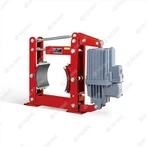
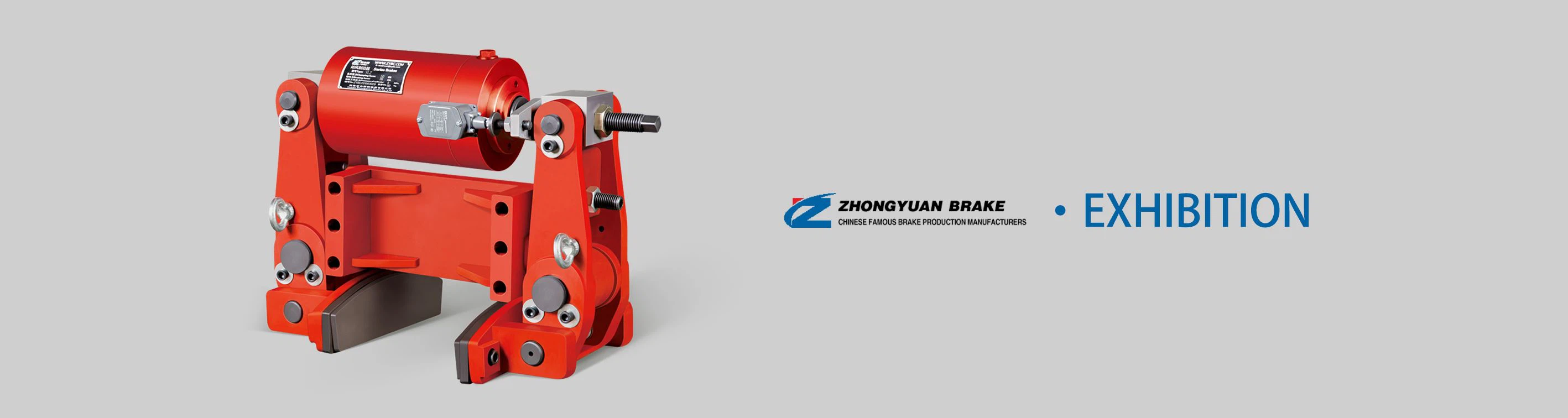
A. Whether all the parts of the brake are complete;
B. Whether the brake action is flexible, whether the hinge of each activity point is corroded;
C. Whether the friction surface of the brake pad is stained with oil pollution, paint and other impurities affecting the friction force.
D. Whether the selection of the installed brakes (including the supply voltage, frequency and driver model) is in accordance with the requirements. If it is found that the above various conditions do not meet the requirements, the installation must be started after the treatment is solved.
1.2 Check Brake Disc:
A. The surface of the brake disc shall not have rust, oil pollution, welding scars, uneven and other defects. It is strictly prohibited to use the brake disc with cracks or other serious defects;
B. When the brake disc rotates around the axis, the verticality error of the brake surface (both ends) to the axis: when the disc diameter is 500, not greater than 0.15, when the disc diameter is> 500, not greater than 0.2;
C. The surface roughness of both ends of the brake disc is 3.2, and the surface is too rough or too smooth will cause the difference in braking performance.