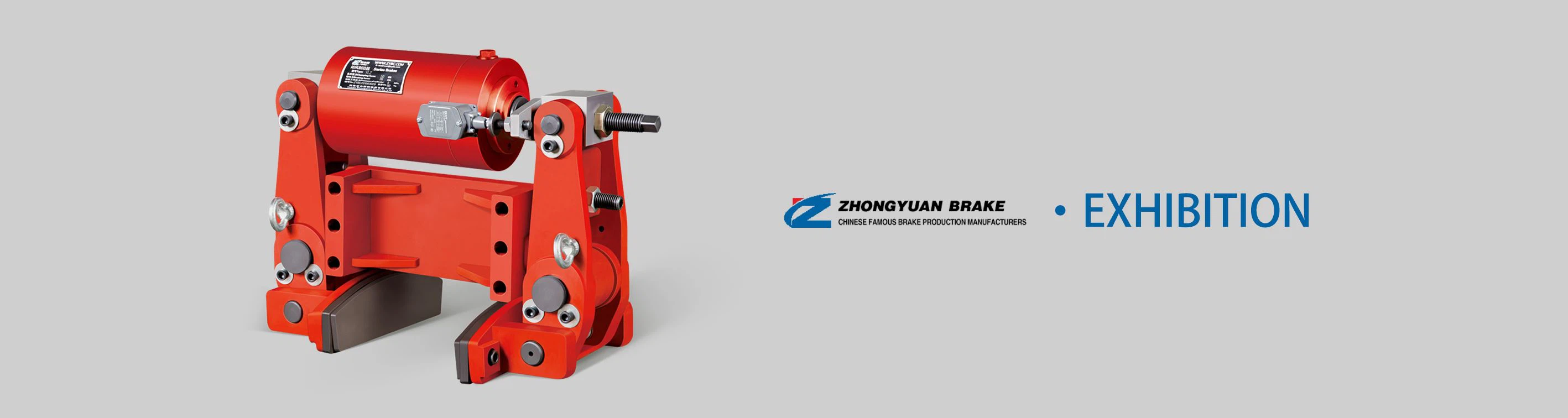
The YJGQ Series is a specialized range of industrial-grade hydraulic rail clamps engineered for securing rail-mounted heavy machinery-including port container cranes (RTG/RMG), rail-mounted gantry cranes, metallurgical transfer cars, and railway maintenance vehicles. Characterized by its spring-engaged, hydraulic-released design and robust clamping structure, this series delivers reliable anti-slip, anti-tip, and storm-locking performance to prevent machinery displacement under extreme conditions (e.g., high winds, seismic activity) or during static downtime. Its core function as a safety-critical rail-locking device ensures cranes and rail vehicles remain firmly anchored to the rail, avoiding catastrophic movement that could damage equipment, cargo, or infrastructure. Below is a detailed breakdown of its core attributes, working principle, key features, typical applications, and technical specifications:
1. Series Overview & Core Function
The YJGQ Series (Y = Hydraulic, J = Rail, G = Clamping, Q = Heavy-Duty) is designed to address the safety needs of rail-mounted machinery operating in harsh or high-risk environments. Its core functions are tailored to rail-specific operational and safety requirements:
Storm/Wind Locking: Securing crane travel mechanisms against strong wind loads (up to 30 m/s) to prevent "rail walking" or lateral tipping-critical for outdoor port cranes and open-yard rail vehicles.
Static Rail Holding: Locking machinery in place during maintenance, cargo loading/unloading, or power outages, ensuring stability even on slightly inclined rails (≤ 4°).
Emergency Anti-Displacement: Automatically engaging in hydraulic system failure, power loss, or equipment overspeed to minimize displacement and protect personnel/property.
With clamping forces ranging from 40–250 kN and compatibility with standard rail profiles (43–75 kg/m), the series is optimized for medium-to-heavy rail-mounted machinery (40–500 tons) in ports, steel mills, rail yards, and construction sites.
2. Working Principle
The YJGQ Series operates on a fail-safe principle (spring-clamped, hydraulically released), ensuring locking capability even if the primary hydraulic system fails. Its working cycle includes four key states, with a focus on safety interlock and pressure maintenance:
2.1 1. Clamp Engagement (Locking State)
Spring-Driven Clamping: When the machinery is stationary (e.g., parked, under maintenance), the hydraulic system is depressurized. Internal high-tension return springs (calibrated to 5–30 kN force) expand, pushing a piston and linkage mechanism.
Jaw Closure: The linkage drives two symmetric clamping jaws toward the rail, with wedge-shaped components amplifying the spring force by 3–4 times. This generates a clamping force of 40–250 kN, pressing the jaws' friction pads tightly against the rail's web and head.
Anti-Slip Locking: Friction between the pads (μ ≥ 0.55) and rail prevents slippage, while the wedge mechanism's self-locking angle (7°–11°) ensures the clamp remains engaged even if external forces (e.g., wind) act on the machinery.
2.2 2. Clamp Release (Travel State)
Hydraulic Pressure Activation: When the machinery needs to travel, the control system activates the hydraulic station. A hydraulic pump generates pressure (10–22 MPa), which is transmitted to the clamp's hydraulic cylinder via solenoid valves and high-pressure hoses.
Overcoming Spring Force: Hydraulic pressure pushes the piston against the return springs, compressing them and retracting the linkage. This pulls the clamping jaws away from the rail, creating a clearance of 15–25mm to avoid contact during travel.
Interlock Confirmation: A limit switch installed on the clamp detects when jaws are fully open, sending a signal to the machinery's control system. Only after this confirmation is the travel circuit of the main machine (e.g., crane) unlocked, allowing movement.
2.3 3. Pressure Maintenance & Compensation
Leakage Compensation: Due to potential internal leakage in the hydraulic system, the jaw clearance may decrease over time during travel. When the clearance drops to a preset threshold (≤ 8mm), the limit switch triggers the hydraulic pump to restart.
Pressure Restoration: The pump supplements hydraulic oil to the cylinder, re-extending the piston and restoring the jaw clearance to the safe travel range (15–25mm). This ensures no friction between the clamp and rail during machinery movement.
2.4 4. Emergency Engagement (Fault State)
System Failure Response: In case of hydraulic system leakage, power loss, or emergency shutdown, hydraulic pressure drops instantly. The return springs expand within ≤ 0.6 seconds, driving the jaws to clamp the rail.
Backup Safety: Optional hydraulic accumulators (nitrogen-charged) can be installed to provide temporary pressure for emergency release (if needed) or to ensure the clamp remains engaged stably until the fault is resolved.