
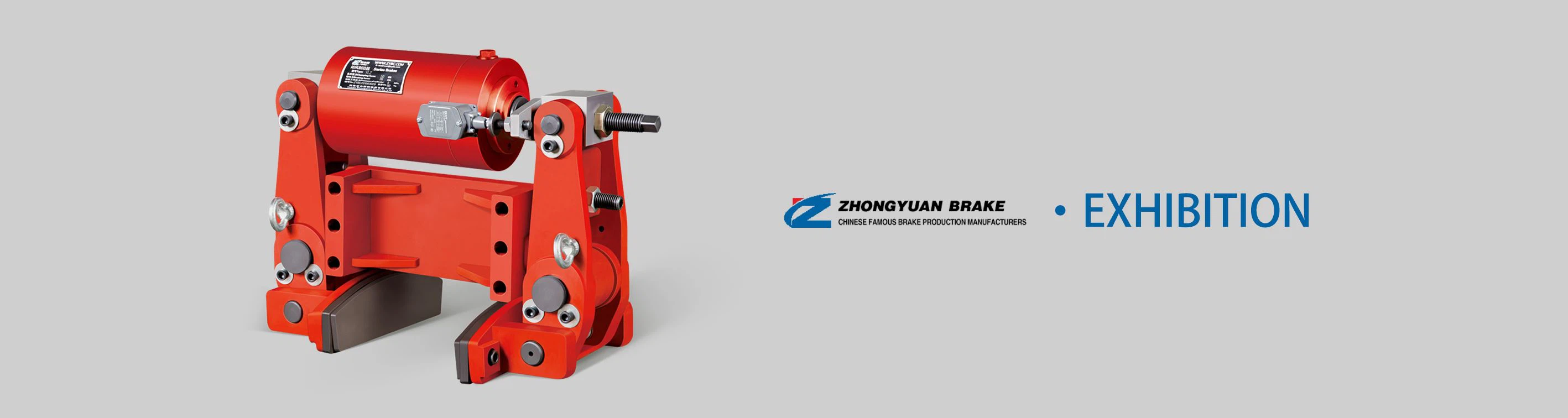
The ZYTJX series hydraulic rail clamp typically adopts a spring-clamping and hydraulic-release working principle. The specific details are as follows:
Clamping Principle: The clamping of the rail clamp is driven by spring pressure. When the crane stops operating, the spring inside the rail clamp exerts pressure, causing the clamping jaws to close via components such as the crossbeam, connecting rods, and clamps, thereby tightly gripping the rail. The frictional force generated between the clamping jaws and the rail ensures that the crane remains stationary and is not blown away by strong winds.
Releasing Principle: When the crane needs to operate normally, the hydraulic station is activated. The hydraulic pump in the hydraulic station generates high-pressure oil, which enters the cylinder through pipelines and control valves such as solenoid valves. The pressure of the hydraulic oil overcomes the elastic force of the spring, pushing the piston to move and driving the upper seat to move downward, thereby opening the clamping jaws. At this time, the crane can move freely.
Interlocking Mechanism: The circuit of the hydraulic rail clamp is interlocked with the main machine's walking circuit. Before the crane walks, the rail clamp must be opened first. After the clamping jaws are fully opened, the limit switch cuts off the power supply of the oil pump motor, while the interlock circuit of the crane's walking motor is connected, allowing the main machine to start walking.
Pressure Maintenance and Compensation: Due to the internal leakage of the hydraulic system, the opening degree of the clamping jaws will decrease after a period of time. When it decreases to a certain extent, the limit switch acts, cutting off the time relay and connecting the power supply of the oil pump motor. The oil pump motor then supplies oil to the cylinder, restoring the clamping jaws to their fully open position.


