
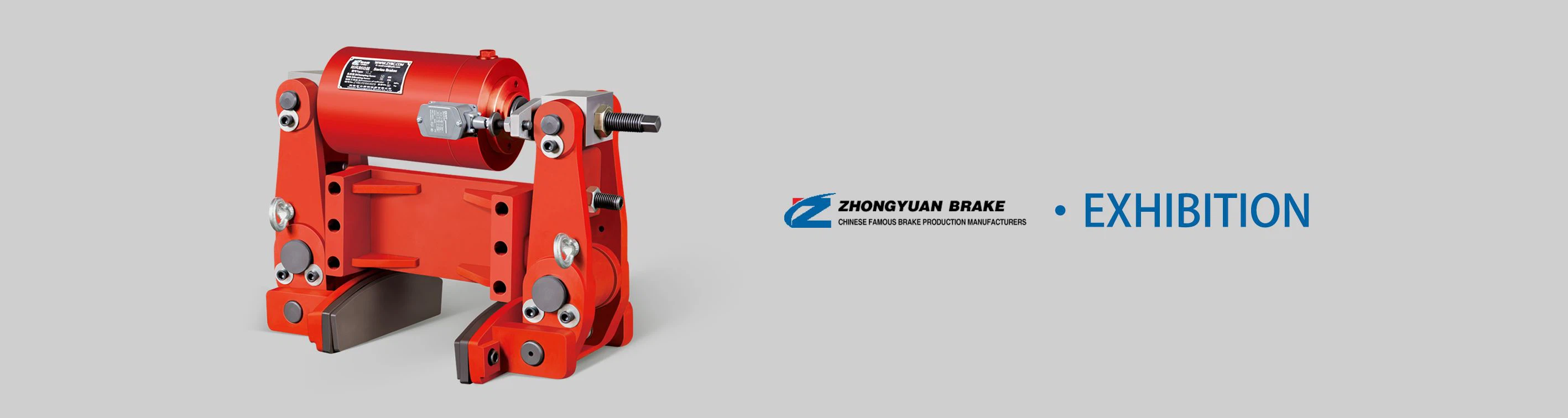
Working Principle
- When Powered On: The electrical motor drives the rotating shaft and the impeller attached to it. This creates pressure within the piston, causing oil to be drawn from the upper part of the piston to the lower part, forcing the piston, the push rod fixed to it, and the crossbeam to rise rapidly. This mechanical motion is produced through lever mechanics compressing the load spring (if the thruster or brake is equipped with one).
- When Powered Off: The impeller stops rotating, and the piston rapidly descends under the force of the load spring and its own gravity, forcing the oil to flow back into the upper part of the piston. The device then returns to its original position through the lever mechanism.


