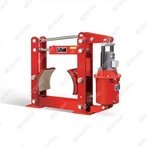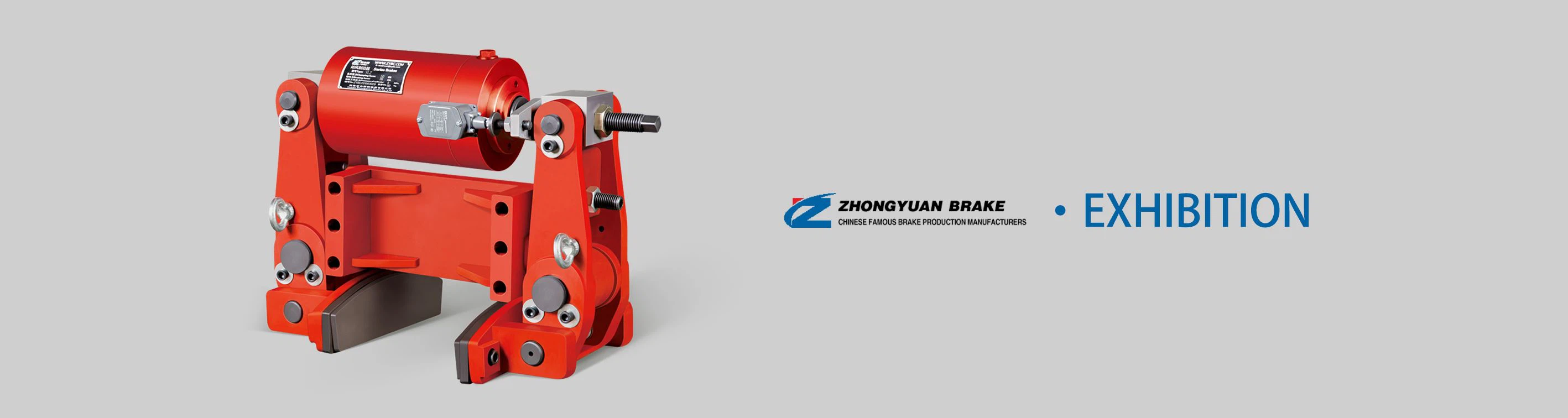
The YWZ4-500/E121 is a premium, industrial-grade electro-hydraulic drum brake specifically engineered for heavy-duty crane applications (e.g., overhead cranes, gantry cranes, tower cranes, and port container cranes). It integrates robust drum braking technology with a high-performance E121 electro-hydraulic thruster to deliver reliable load control, emergency stopping, and static load holding-critical for ensuring safety and operational efficiency in high-load, high-intensity crane operations. Below is a detailed breakdown of its model interpretation, core structure, working principle, key features, crane-specific advantages, and technical specifications:
1. Model Interpretation: Ywz4-500/E121
The model code adheres to global industrial standards for electro-hydraulic drum brakes, with each segment clearly defining critical technical parameters-essential for crane equipment matching and performance selection:
YWZ: Universal product category code for "electro-hydraulic drum brake" (Y = Hydraulic actuation, W = Drum-style braking structure, Z = Electro-driven power source).
4: Design series identifier, representing the 4th-generation iteration of the YWZ brake family. This series features optimized structural rigidity, improved heat dissipation, and enhanced compatibility with modern crane drive systems (vs. earlier YWZ1/2/3 series).
500: Nominal diameter of the brake drum (in millimeters). This means the brake is purpose-built to mate with crane drive shafts equipped with 500mm-diameter drums-a key dimension that directly determines the brake's maximum braking torque and load-handling capacity.
E121: Designation for the integrated electro-hydraulic thruster. The E121 is a high-power thruster (custom-matched to the YWZ4-500 brake) that converts electrical energy into hydraulic force to drive brake engagement/release, ensuring consistent performance under heavy crane loads.
2. Core Structure & Crane-Specific Design
The YWZ4-500/E121 features a rugged, modular design tailored to the demands of crane operation, with four critical subsystems working in tandem:
2.1 1. E121 Electro-Hydraulic Thruster (Power Core)
As the brake's "engine," the E121 thruster is engineered for high reliability in crane cycles:
Power Conversion: Equipped with a 380V AC (50Hz) industrial motor (rated power ~1.1 kW) that drives an internal hydraulic pump. It converts electrical input into stable hydraulic pressure (up to 12 MPa) to actuate the brake.
Sealed Hydraulic Chamber: A leak-proof hydraulic cylinder with high-temperature-resistant seals (FKM material) prevents oil leakage-critical for overhead crane applications where fluid drips could damage equipment or pose safety hazards.
Fast Response: The thruster achieves full actuation (extension/retraction) in ≤ 0.8 seconds, enabling quick brake engagement during emergency stops (e.g., when a crane detects overspeeding).
2.2 2. Drum Braking Assembly
Optimized for 500mm-diameter drums, this subsystem ensures strong, uniform braking force:
Brake Shoes & Friction Linings: Two 弧形 (arcuate) brake shoes (made of QT450 ductile iron for impact resistance) lined with crane-specific friction material (semi-metallic composite). The material offers a high friction coefficient (μ ≥ 0.45), resistance to high temperatures (up to 350°C), and low wear-critical for withstanding frequent braking during crane hoisting/lowering cycles.
Shoe Support Mechanism: A reinforced lever system that distributes pressure evenly across the friction linings, ensuring full contact with the 500mm drum. This eliminates uneven wear and prevents "hot spots" (localized overheating) that could degrade braking performance.
2.3 3. Fail-Safe Spring Mechanism
A non-negotiable feature for crane safety, this mechanism ensures load security during power failure:
High-Tension Return Springs: Multiple manganese-steel compression springs (calibrated to 8-10 kN force) are housed in the brake's base. When the thruster loses power (e.g., crane power outage), the springs rapidly expand, pulling the brake shoes into tight contact with the drum-locking the crane's drive shaft and holding the load in place.
2.4 4. Adjustment & Protection Components
Brake Gap Adjusters: Threaded rods and locknuts allow operators to fine-tune the gap between friction linings and the drum (optimal initial gap: 0.4-0.6mm). This compensates for lining wear over time, maintaining consistent braking torque without frequent disassembly.
Anti-Corrosion Housing: The brake's outer casing and lever components are coated with epoxy resin (thickness ≥ 80μm) to resist dust, moisture, and saltwater-suitable for indoor (factory cranes) and outdoor (port/gantry cranes) environments.
Wear Indicator: An optional mechanical wear gauge (or proximity sensor) alerts operators when friction linings reach their minimum thickness (≤ 5mm), preventing metal-to-metal contact between shoes and drum (a major cause of drum damage in cranes).
3. Working Principle (Crane Operation Cycle)
The YWZ4-500/E121 operates in three key states to support safe crane functionality:
3.1 1. Brake Release (Crane Hoisting/Lowering/Traveling)
When the crane's control system (e.g., PLC or operator console) sends a "start" signal (e.g., lifting a load), the E121 thruster receives electrical power.
The thruster's motor drives the hydraulic pump, increasing pressure in the hydraulic chamber. This pressure pushes a piston and push rod, overcoming the tension of the return springs.
The push rod acts on the brake shoe levers, pulling the shoes away from the 500mm drum and creating a small gap. The drum (connected to the crane's hoisting or travel shaft) rotates freely, allowing smooth load movement.
3.2 2. Brake Engagement (Controlled Stopping/Load Holding)
Controlled Stopping: To slow or stop the crane (e.g., lowering a load to the ground), the thruster's power supply is reduced. Hydraulic pressure drops, and the return springs begin to expand-pushing the brake shoes against the rotating drum.
Friction Generation: The friction linings generate braking torque (typically 2,500-3,500 N·m for this model), decelerating the drum at a controlled rate (≤ 1.2 seconds under rated crane load) to avoid load sway or shock.
Static Load Holding: When the crane suspends a load mid-air (e.g., during material transfer), the thruster's power is cut to ~30% of rated output. The springs partially engage the brake, applying just enough torque to hold the load securely-even if the crane's main drive system fails.
3.3 3. Emergency Braking (Power Failure/Overspeed)
In case of sudden power loss (e.g., grid outage) or crane overspeed (detected by an overspeed switch), the E121 thruster loses all power instantly.
The return springs fully expand within milliseconds, slamming the brake shoes against the drum. Braking torque peaks at maximum capacity, locking the shaft and stopping the crane within ≤ 0.9 seconds-preventing load drops, equipment runaway, or collisions.
4. Key Features & Crane-Specific Advantages
The YWZ4-500/E121 is designed to address the unique challenges of crane operation, with advantages that set it apart from standard drum brakes:
4.1 1. High Load Capacity for Heavy Cranes
With a 500mm drum diameter and E121 thruster, it delivers braking torque suitable for 20-100 ton cranes-making it ideal for heavy-industry applications (e.g., steel mill cranes lifting coils, port cranes handling containers).
4.2 2. Heat Resistance for Frequent Braking
Crane hoisting/lowering cycles generate significant heat; the brake's friction linings (heat-resistant up to 350°C) and vented drum design dissipate heat quickly, preventing brake fade (loss of friction due to overheating) during continuous use.
4.3 3. Vibration Resistance
Crane travel (e.g., overhead cranes moving along rails) causes vibration- the brake's reinforced lever system and anti-loosening fasteners (ISO 4017 hexagon bolts with lock washers) ensure components stay secured, avoiding performance degradation or component failure.
4.4 4. Easy Maintenance for Overhead Cranes
Overhead crane maintenance is time-consuming; the brake's modular design allows quick replacement of friction linings (no need to disassemble the entire brake) and easy access to the E121 thruster for oil checks-reducing crane downtime.
4.5 5. Compliance with Crane Safety Standards
It meets global crane safety regulations (e.g., ISO 4301-1 for crane brakes, GB/T 6333-2019 for Chinese crane standards) and is CE-certified-ensuring compatibility with cranes manufactured to international standards (e.g., Konecranes, Liebherr, Sany).
5. Typical Crane Applications
The YWZ4-500/E121 is purpose-built for cranes in heavy-industry scenarios, including:
Overhead Traveling Cranes: Used in steel mills, automotive factories, and warehouses to control hoisting mechanisms for heavy loads (e.g., machinery parts, steel beams).
Gantry Cranes: Applied to port yards, construction sites, and container terminals-withstanding outdoor conditions (rain, dust, salt spray) while braking 50-100 ton containers.
Tower Cranes: Used in high-rise construction to hold and position concrete, steel, and building materials-relying on the fail-safe spring mechanism to prevent load drops during power outages.
Mine Hoist Cranes: Adapted for underground mining (with optional dust-proof upgrades) to lift ore or equipment-resisting harsh mining environments.
6. Technical Specifications (Typical Ratings)
| Parameter | Specification (YWZ4-500/E121) |
|---|---|
| Brake Type | Electro-hydraulic drum brake |
| Brake Drum Diameter | 500 mm |
| Matched Thruster Model | E121 |
| Thruster Power Supply | 380V AC (50Hz) / 440V AC (60Hz, optional) |
| Thruster Rated Power | ~1.1 kW |
| Rated Braking Torque | 2,500-3,500 N·m (adjustable) |
| Maximum Drum Speed | 300 RPM |
| Friction Lining Material | Semi-metallic composite |
| Lining Service Life | ≥ 8,000 working hours (crane cycle) |
| Operating Temperature Range | -20°C to 80°C |
| Protection Class (Thruster) | IP54 (dust-proof, splash-proof) |
| Protection Class (Brake) | IP65 |
| Mounting Type | Flange-mounted (ISO 6431) |
| Weight | ~180-220 kg (with thruster) |