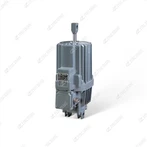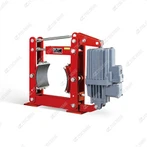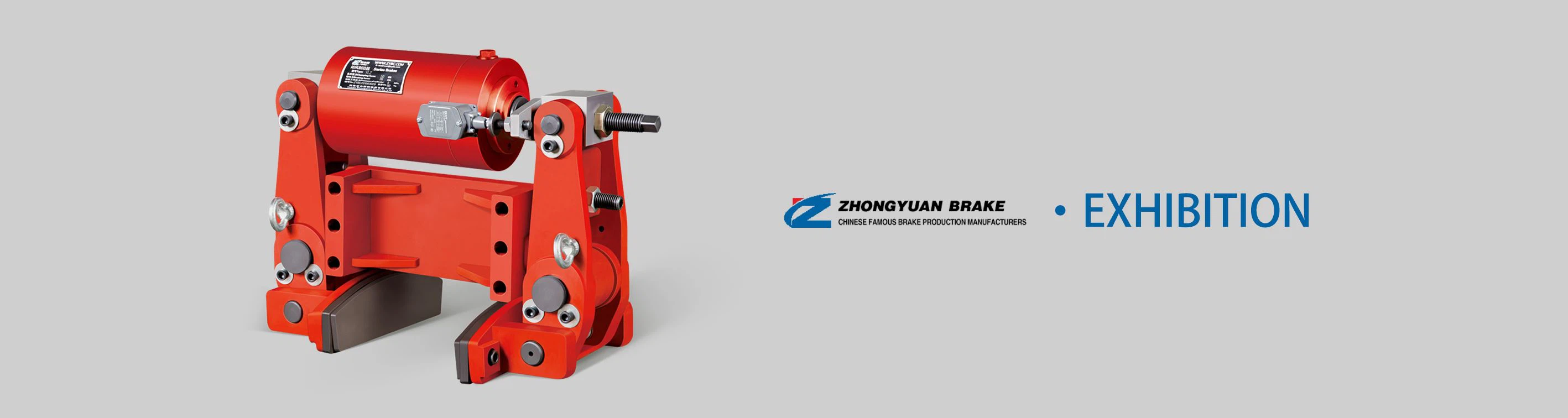
Key Features
1 Magnetic Actuation
Utilizes the principle of electromagnetic force for braking. When an electric current is applied to the magnetic coil, a strong magnetic field is generated. This magnetic field attracts the armature, which is connected to the brake shoe, causing it to press against the drum surface and generate braking torque. The magnetic actuation offers precise control over the braking process, allowing for smooth starting and stopping of the machinery.
The magnetic force can be adjusted by varying the current input, enabling the brake to be customized according to different load conditions and braking requirements. This flexibility makes it suitable for a wide range of applications with varying operating parameters.
2 Robust Drum Design
The brake drum is made of high - quality alloy steel, which has excellent wear resistance and heat dissipation properties. The smooth surface of the drum ensures uniform contact with the brake shoes, reducing wear and tear and extending the service life of both the drum and the brake shoes.
The drum is precisely machined to strict tolerances, ensuring proper alignment with the brake shoes and minimizing vibration and noise during operation. This high - precision manufacturing also contributes to the overall stability and reliability of the braking system.
3 Durable Brake Shoes
The brake shoes are constructed from a composite material that combines friction - generating elements with a heat - resistant binder. This material provides high and stable friction coefficients, ensuring consistent braking performance even under high - temperature and high - load conditions.
The brake shoes are designed to be easily replaceable, reducing downtime during maintenance and repair operations. They are securely fastened to the armature to prevent slippage during braking, ensuring reliable and effective braking force transmission.
4 Compact and Space - Saving Design
The ZWZB200 - 300 model has a compact structure, occupying minimal space in the machinery installation. This is particularly advantageous in applications where space is limited, such as in small - scale industrial equipment or in crowded mechanical systems.
The lightweight design of the brake also reduces the overall load on the supporting structure of the machinery, contributing to improved system efficiency and reduced energy consumption.