
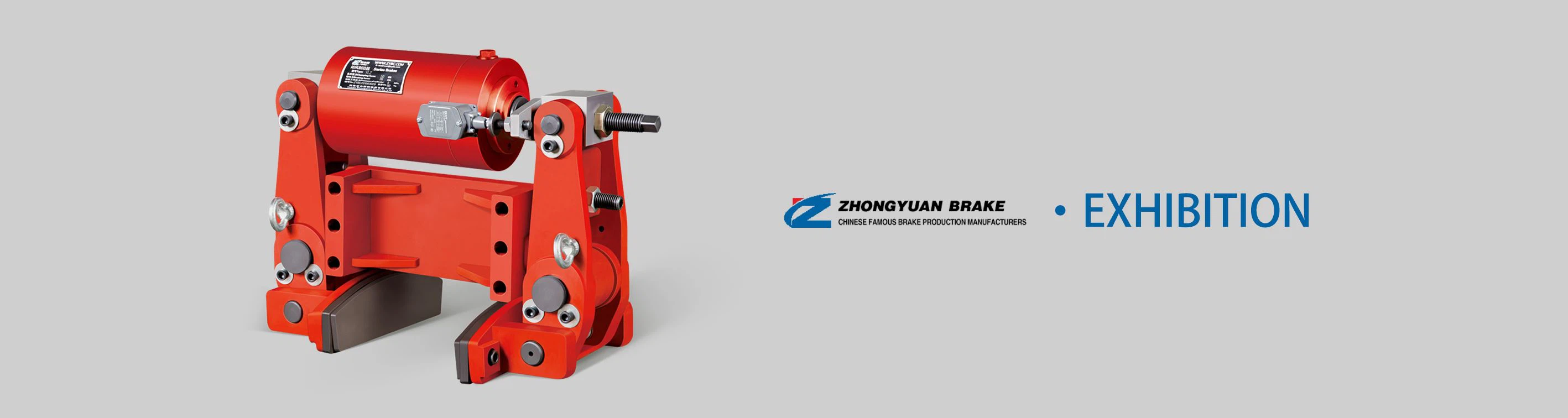
Key Components
- Pneumatic Actuator: This is the power - generating unit of the system. It utilizes compressed air as the working medium. When compressed air enters the actuator, it exerts a force on a piston or a diaphragm, converting the pneumatic energy into mechanical force. The precise control of air pressure allows for fine - tuning of the braking force, ensuring smooth and responsive braking operations.
- Brake Disc: Made from high - strength, heat - resistant materials such as cast iron or composite materials, the brake disc is a crucial rotating component. It is mounted on the wheel hub and rotates with the wheel. During braking, the brake pads are pressed against the disc's friction surfaces, generating friction that slows down or stops the rotation of the wheel. The design of the disc, including its diameter, thickness, and ventilation slots (if any), is optimized to dissipate heat effectively and maintain consistent braking performance under various operating conditions.
- Brake Caliper: The brake caliper houses the brake pads and is responsible for applying the clamping force to the brake disc. It is connected to the pneumatic actuator and moves in response to the actuator's output. The caliper can be of a floating or fixed type. In a floating caliper, only one side of the caliper moves to press the pads against the disc, while in a fixed caliper, both sides of the caliper apply force simultaneously, providing more uniform braking pressure distribution.
- Brake Pads: These are the friction - generating elements that come into direct contact with the brake disc. Composed of a friction material bonded to a metal backing plate, the brake pads are designed to withstand high temperatures and provide consistent friction coefficients over their service life. The selection of the friction material is critical, as it determines the braking performance, noise level, and wear resistance of the system.


