
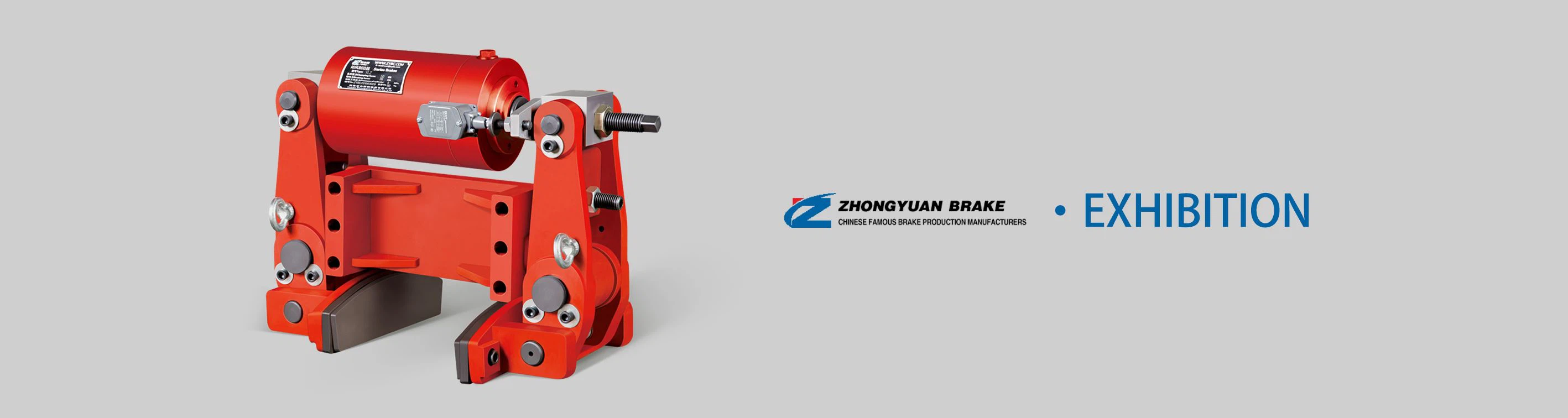
The maintenance and repair of the YZA15-8 series hydraulic power unit focus on "preventive routine maintenance + targeted fault repair" to ensure stable pressure output and long service life. Below are detailed, actionable methods:
1. Routine Maintenance (Preventive Core)
1.1 Daily Inspection (1–2 Times/Week)
Check the oil level through the tank's sight glass; it must be between the "MAX" and "MIN" marks. Add ISO VG 32/46 hydraulic oil of the same model immediately if it's low (avoid mixing different brands).
Inspect for oil leakage: Focus on valve block joints, oil pipe connections, and pump shaft seals. Tighten loose joints with a wrench or replace damaged seals promptly.
Monitor key indicators: Ensure the pressure gauge shows stable values (15 MPa rated), the motor runs without abnormal noise, and the oil temperature does not exceed 60°C (overheating indicates faults like blocked filters).
Clean the tank surface and air breather to prevent dust from entering the oil through the breather.
1.2 Regular Maintenance (Fixed Cycles)
| Cycle | Key Operations |
|---|---|
| 500 Working Hours (First Oil Change) | Drain all old oil from the tank, clean the tank interior with diesel oil, and replace the suction filter and return filter elements. Refill with new hydraulic oil to the "MAX" mark. |
| 1000 Working Hours | Check the gear pump's wear: If the pump runs with noise or pressure drops, disassemble and inspect the rotor and bearing (replace if worn). Tighten motor fixing bolts and check the V-belt (if equipped) for tension and cracks. |
| 2000 Working Hours | Replace the relief valve and check valve cores (or the entire valve block if sticking occurs). Inspect the tank's internal anti-corrosion layer; touch up with anti-rust paint if peeling. |
| Annual Overhaul | Disassemble the entire unit: Clean the valve block's internal oil passages with ultrasonic equipment, check the motor's insulation resistance (use a multimeter; ≥2 MΩ is normal), and replace aging hoses or hard pipes. |
1.3 Oil Management (Critical for Lifespan)
Use only clean, qualified hydraulic oil; avoid water or impurities (NAS 7–8 cleanliness standard).
Replace oil every 12 months or 3000 working hours (whichever comes first); shorten the cycle to 6 months in dusty/humid environments.
Install an optional oil cooler if the unit runs continuously (prevents oil degradation from high temperature).
2. Common Fault Repair (Targeted Solutions)
2.1 No Pressure Output
Possible causes: Motor reversal, suction filter clogging, or pump shaft seal damage.
Repairs: Swap two motor power wires to correct rotation; replace the clogged filter element; disassemble the pump and replace the shaft seal (use fluorine rubber seals for corrosion resistance).
2.2 Unstable Pressure/Pressure Drop
Possible causes: Relief valve sticking, check valve leakage, or oil leakage in pipelines.
Repairs: Disassemble the relief valve, clean the valve core with diesel oil (remove iron filings or sludge), and grind the valve seat if worn; replace the check valve's sealing ring; re-seal pipe joints with hydraulic-specific sealant.
2.3 Motor Overheating/Burning
Possible causes: Overpressure (relief valve failure), insufficient oil (empty pump suction), or motor bearing jamming.
Repairs: Adjust the relief valve to the set pressure (16–18 MPa); refill oil and bleed air from the pump; disassemble the motor to replace bearings or rewind the coil (if burned out, replace the motor).
2.4 Abnormal Noise/Vibration
Possible causes: Gear pump wear, loose motor base, or air in the oil circuit.
Repairs: Replace the worn gear pump; add shock-absorbing pads under the base and retighten bolts; loosen the air release valve on the valve block, start the motor, and bleed air until oil flows out without bubbles.
2.5 Failure to Hold Pressure (Pressure Drops Rapidly)
Possible causes: Check valve internal leakage or cylinder seal damage (for matching brakes/actuators).
Repairs: Replace the check valve's valve core and seal; inspect the matching brake cylinder's seal and replace if oil seepage is found.
3. Maintenance Precautions
Operate only after cutting off the power supply; relieve system pressure by opening the relief valve before disassembling components.
Use dedicated tools (avoid damaging valve cores or pipe threads); store disassembled parts in clean oil to prevent rust and contamination.
For outdoor use, install a rain cover to protect the motor and tank; in low temperatures (-20°C or below), replace with low-temperature hydraulic oil (e.g., YH-10) to avoid oil solidification.
Keep maintenance records: Document oil change dates, filter replacements, and fault handling to track the unit's status.


