
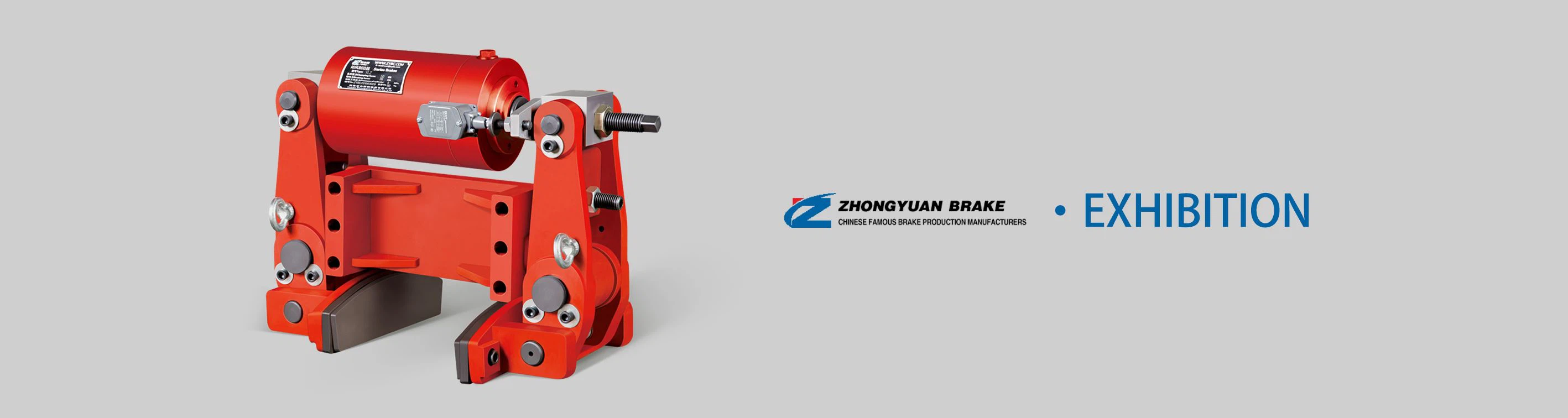
The drum brake is mounted on the surface of two curved brake shoes with brake friction plate, with one end of the brake shoe as the fulcrum, applying power from the other end, so that the brake shoe presses to the inside of the brake drum and brakes.
In the hydraulic braking system, the piston of the brake wheel cylinder drives the brake shoe directly; In pneumatic braking systems, compressed air pushes a CAM to rotate, causing the brake shoe to open outwards. When the brake pressure disappears, the brake shoe is pulled away from the brake drum by the return spring, thus releasing the brake. Under certain conditions of hoof and drum position, drum brake can produce automatic force-increasing effect.
In accordance with the rotation direction of the brake drum, if the force end of the brake shoe is in the front, the support end is in the back, and the rotation direction of the brake shoe is the same as the rotation direction of the brake drum, then under the action of friction, the brake shoe will automatically press to the brake drum with greater pressure, and powerful braking can be obtained. Such brake shoes are called auxiliary shoes. Of course, because the car can both move forward and backward, when the rotation direction of the brake shoe is opposite to the rotation direction of the brake drum, the friction between the shoe and the drum will be reduced, and the pressure of the brake shoe is also reduced, so the brake shoe is called the reducing shoe.


