Working Principle
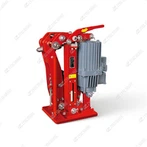
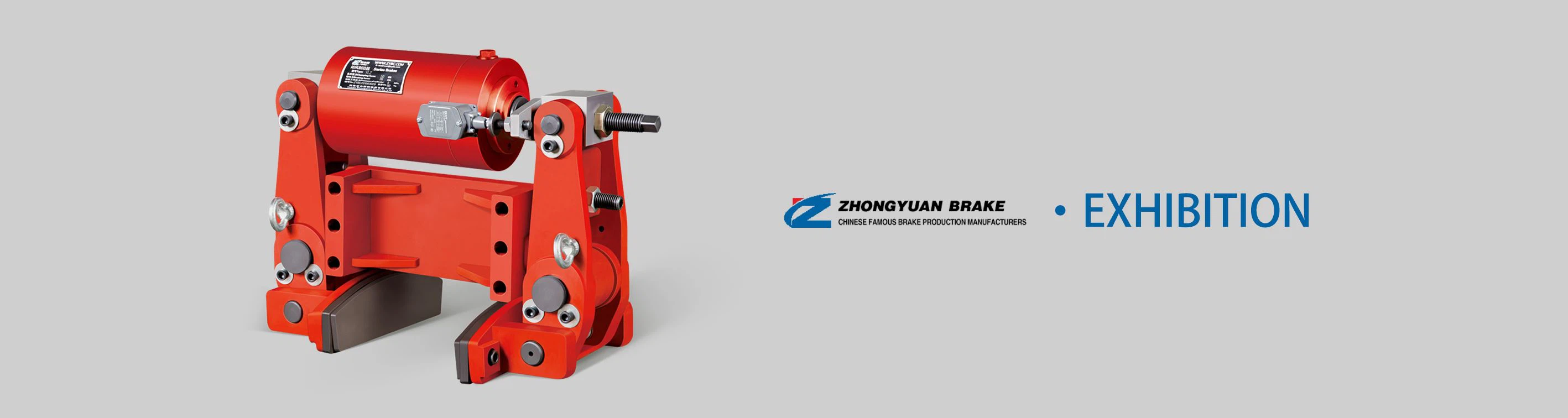
The YWZ4-160/18A operates on a fail-safe principle (spring force for braking, electro-hydraulic thrust for release), ensuring inherent safety even if the actuation system malfunctions. Its working cycle consists of three key states:
2.1 Brake Engagement (Safety State)
When the machinery is stationary, in emergency mode, or powered off, internal high-tension compression springs (65Mn steel) expand outward.
The spring force pushes two arc-shaped brake shoes to swing outward, pressing the friction pads (attached to the shoes) tightly against the inner wall of the rotating brake drum.
Friction between the pads and drum generates a stable braking torque (180–280 N·m), which resists the drum's rotation and eventually stops the connected mechanical shaft-or holds it in a stationary position.
2.2 Brake Release (Operating State)
When the machinery needs to start, the matched ED18/6 electro-hydraulic thruster is activated. The thruster converts electrical energy into linear hydraulic thrust (180 N).
This thrust pulls the integrated lever mechanism, compressing the internal springs and retracting the brake shoes inward. A 0.3–0.6 mm clearance is created between the friction pads and the drum.
The brake drum then rotates freely with the mechanical shaft, allowing the machinery to operate normally (e.g., conveyor movement, hoist lifting).
2.3 Emergency Response (Fault State)
In the event of power loss, thruster oil leakage, or emergency shutdown signals, the thruster's thrust dissipates instantly.
The compressed springs rebound within ≤0.4 seconds, driving the brake shoes to re-clamp the drum-engaging the brake rapidly to stop the machinery and eliminate safety hazards.