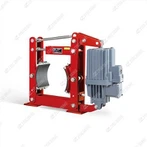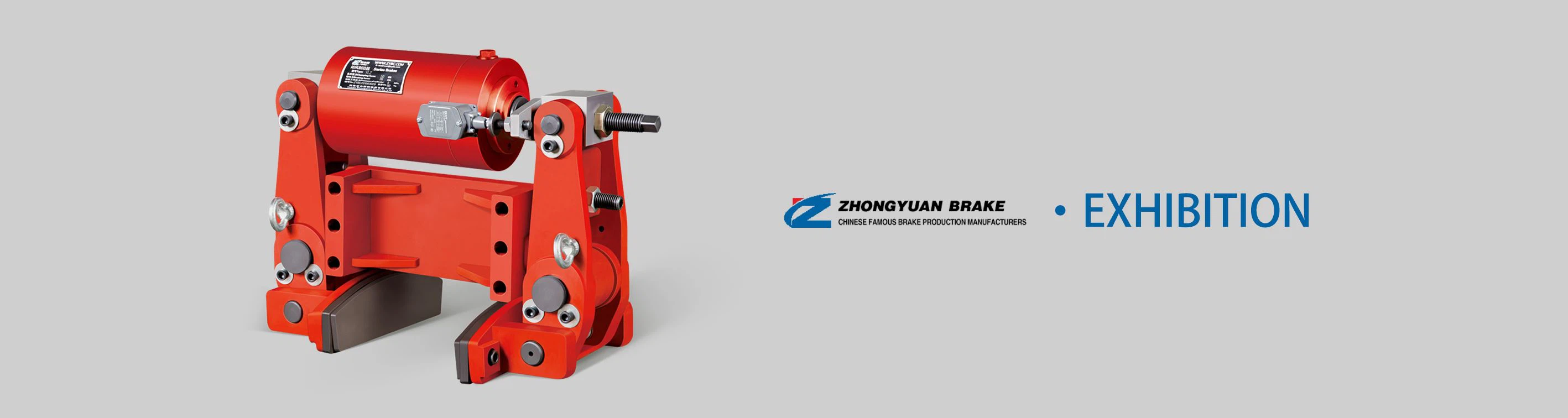
A common maintenance for drum brakes is to replace the brake shoes. Some drum brakes provide an inspection hole on the back, through which you can check how much material is left on the brake shoe. When the friction material has worn down to the point where the rivet is only 0.8 mm long, the brake shoe should be replaced. If the friction material is glued to the rear bottom plate (not with rivets), the brake shoe should be replaced when the remaining friction material is only 1.6 mm thick.
As in the case of disc brakes, there are sometimes deep scratches in the brake drum. If the worn brake shoe is used for too long, the rivets that hold the friction material to the rear will grind the drum out of the groove. Severely scratched drums can sometimes be repaired by re-sanding. Disc brakes have a small allowable thickness, while drum brakes have a large allowable diameter. Since the contact surface is inside the drum, the diameter will become larger when you remove material from the drum brake.