Latest Products


Contact Us
- Wei Four Road, Weizhuang industrial Park, Changyuan District, Xinxiang City, Henan Province, China
- sales@zybc.com
- +86-373-7136666


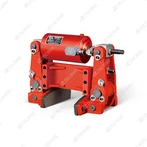
YLZ63-180-CP Hydraulic Wheel Brakes
The YLZ63 - 180 - CP belongs to the YLZ series hydraulic wheel brakes. It is often used for braking of wheeled mechanisms in equipment such as cranes and port machinery. Below is a detailed introduction to its installation steps, post-installation adjustment, and maintenance methods based on the...
Description
The YLZ63 - 180 - CP belongs to the YLZ series hydraulic wheel brakes. It is often used for braking of wheeled mechanisms in equipment such as cranes and port machinery. Below is a detailed introduction to its installation steps, post-installation adjustment, and maintenance methods based on the general installation specifications of the YLZ series:
Pre-installation Preparation
Component Inspection: First, verify that the model on the brake nameplate matches the installation requirements. Check if components like the brake frame, brake pads, hydraulic cylinder, and connecting rods are intact without cracks or deformation. Ensure that the movable hinge points are free from rust or jamming, and that the brake pads are free of oil contamination or foreign objects. If a hydraulic station is included, inspect the completeness of connecting pipes and fittings. Also, check the surface of the wheel to be braked for severe rust, weld scars, or unevenness, and clean it if necessary.
Tool and Bracket Preparation: Prepare tools such as bolts, wrenches, welding machines, and gaskets. Process the mounting bracket as required, which must have sufficient strength and rigidity. The bracket can be connected to the trolley by bolts, or welded to the trolley via an adapter plate. It is not advisable to weld the bracket to the trolley before assembly, as this will affect positional accuracy.
Hydraulic and Electrical Preparation: Install the hydraulic station in place first. Arrange the hydraulic pipelines, and try to minimize the difference in the length of the pipelines from each brake to the hydraulic station. Then connect the electrical control lines as per the circuit diagram to ensure the normal operation of the hydraulic station and the brake's control system.
Formal Installation
Assemble the Brake and Bracket: Use bolts to connect the brake to the mounting bracket. If an adapter plate is used, firmly connect the adapter plate to the mounting bracket first. After that, use the adjusting nut to open the brake arm, ensuring that the distance between the brake pads is more than 3mm greater than the thickness of the wheel.
Position and Fix the Brake: Integrally and smoothly move the brake with the bracket to the installation position. Note that the oil port of the brake should be on the side of the hydraulic pipeline. This type of brake is generally installed in pairs, with the two oil ports arranged symmetrically. Align the position to make the brake close and clamp the wheel. Check if the brake pads are parallel to both sides of the wheel. If not, use gaskets between the mounting bracket and the brake to adjust. Finally, weld the adapter plate to the trolley and tighten the bracket bolts.
Connect Hydraulic Pipes and Auxiliary Components: Connect the hydraulic pipeline to the oil inlet of the brake cylinder. If there is a one-way throttle valve, connect the throttle valve to the brake cylinder first and then to the pipeline. Then connect the cables of the travel switch as required by the main engine. Ensure the wiring is firm, and tighten the cable stuffing box to fix the cable.
Post-installation Adjustment
Brake Pad Clearance Adjustment: Loosen the lock nut of the clearance adjustment device. If the clearance on one side is larger, screw the adjusting bolt on that side inward. Ensure there is a gap between the adjusting bolt on the side with the smaller clearance and the side wall of the base during adjustment. Adjust until the clearances on both sides are basically equal, then tighten the lock nuts on both sides. For the YLZ63 series, the rated clearance of the pad on each side is 2mm.
Shoe Self-alignment Adjustment: Before installation, loosen the self-alignment set screw to relax the self-alignment spring. After the brake is installed and clamped tightly, tighten the self-alignment set screw. If the self-alignment is abnormal during use, check and replace the self-alignment spring if necessary.
Hydraulic Pressure Adjustment: Start the hydraulic station, observe the rotation direction of the motor (it should be clockwise when facing the motor fan). Check if the oil pressure of the oil pump reaches the standard range. The overflow valve is usually calibrated at the factory, and it is not recommended to adjust it randomly on-site. Meanwhile, check for oil leakage at pipe joints and tighten them promptly if any leakage is found.
Routine Maintenance TipsRegularly check the wear of the brake pads. If they are severely worn, deformed, or cracked, replace them in time. Frequently inspect the movable hinge points of the brake. If the transmission is inflexible, add lubricating oil or replace the bearing. Periodically check the hydraulic station for oil leakage and the oil level. Replenish or replace the hydraulic oil of the specified model as required to ensure the long-term stable operation of the brake.
Hot Tags: ylz63-180-cp hydraulic wheel brakes, China, manufacturers, supplier, factory, customized
You Might Also Like